What You Pay
Woodbranch is a small pocket - about 558 households, nowhere near the scale of the 18,369 households across the wider service area we cover from The Woodlands.
No local parts depot
That size matters here: it's not a market with its own parts house or depot, so every roller job rolls out of The Woodlands, 20 miles up the road. What you pay depends on whether you need a handful of rollers swapped on one side of the track or a full set of ten to twelve rollers plus hinges, and whether the rollers are nylon or steel.
Roller set cost comparison
We won't quote a number here we can't back up - what we can tell you is that a full roller set costs less than a spring replacement and far less than a new door, and that's usually the right comparison to make before you decide which way to go.
Sealed-bearing roller requests
Woodbranch also runs a higher median household income, about $87,000, against the area's $74,424 - which shows up less in what people pay for the job and more in what they ask for: steel rollers with sealed bearings instead of the stock nylon wheels that came on the door originally.
What Can Go Wrong
With a median build year around 1982 in Woodbranch, you're looking at doors and track roughly a decade older than the service area's overall median of 1988.
Nylon flat-spots and stem cracks
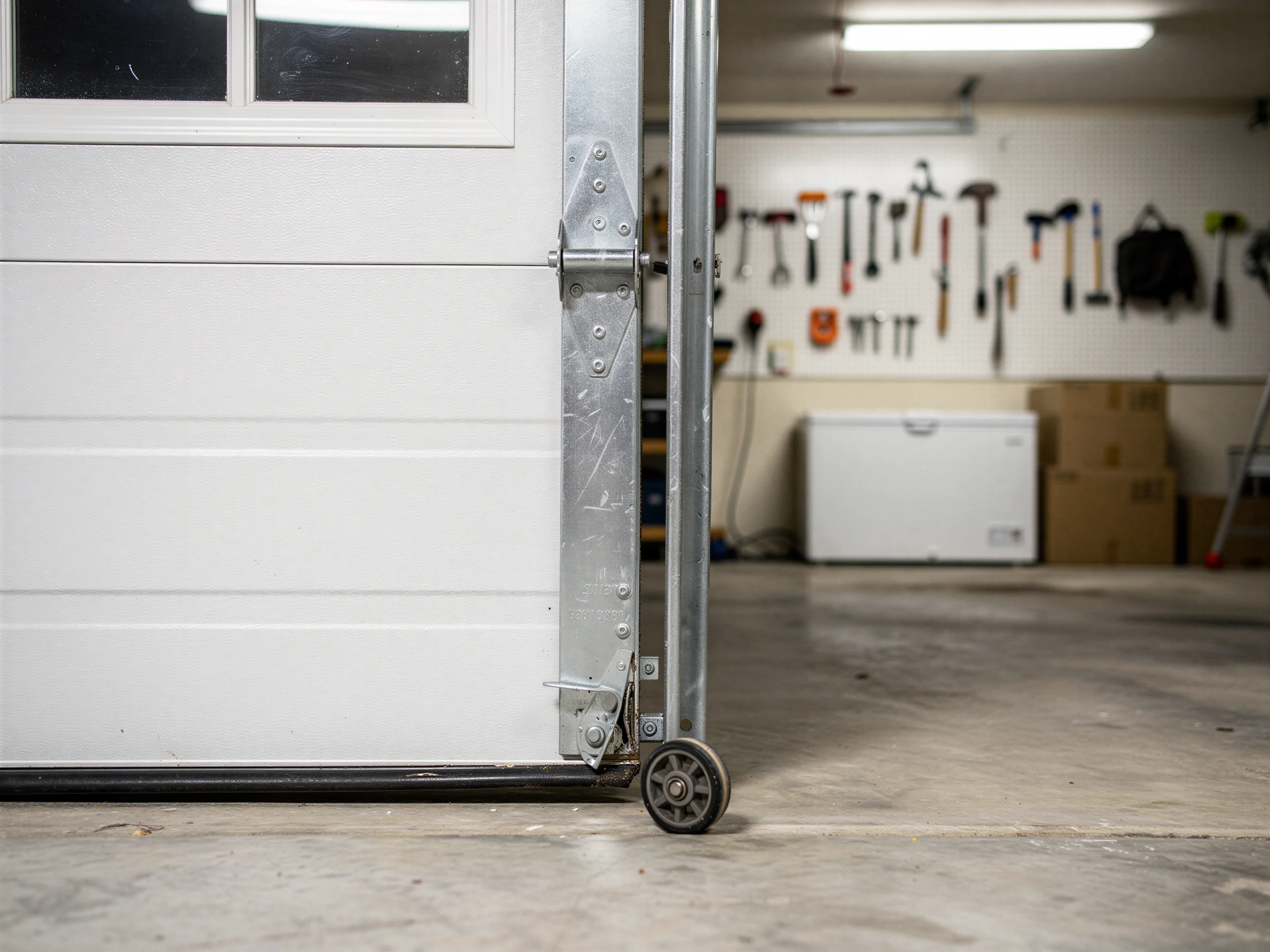
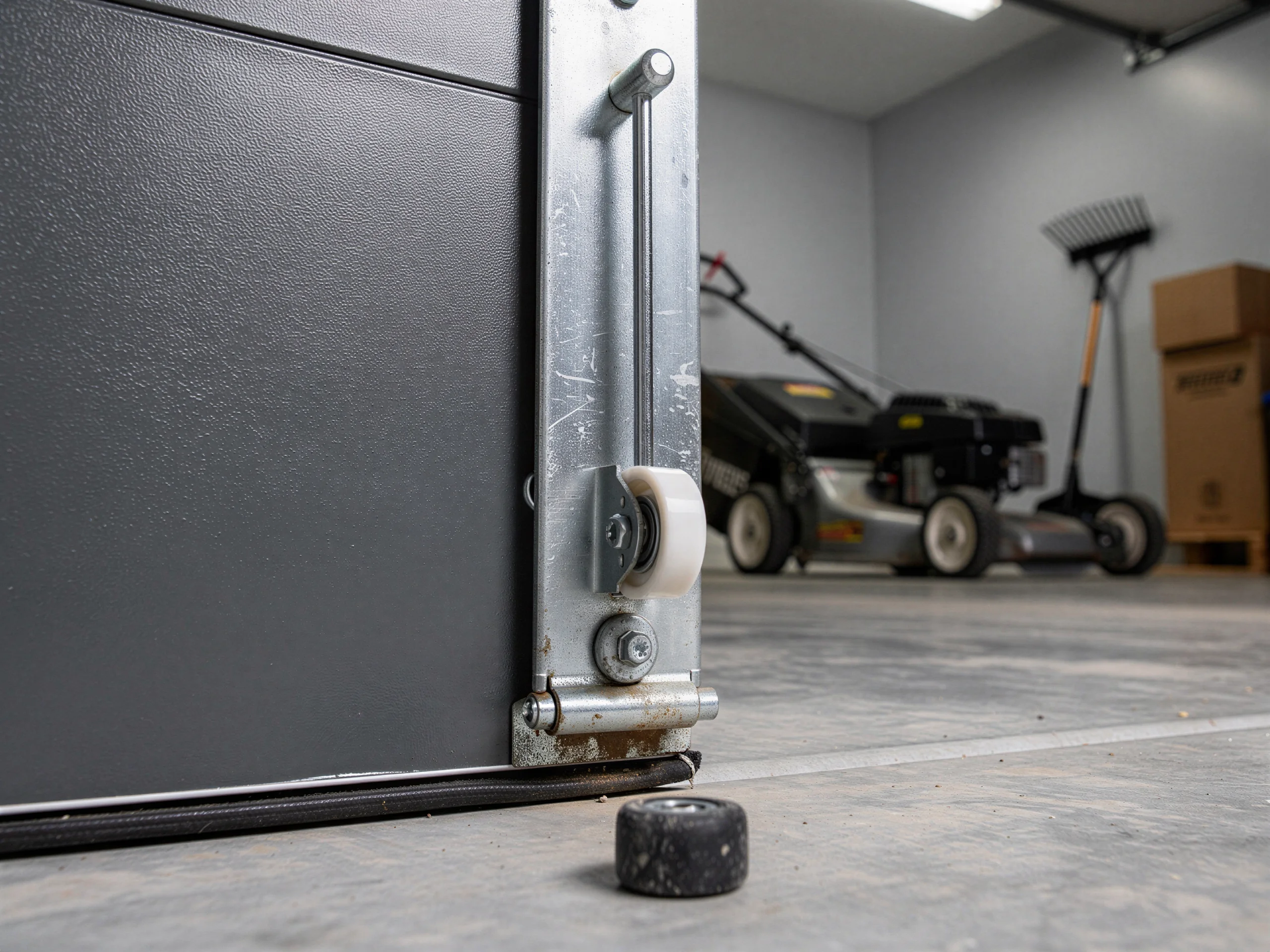
Original nylon rollers on a door that age have usually gone through thirty-plus years of summer heat cycling. The nylon doesn't shatter all at once - it flat-spots, then cracks at the stem, and you start hearing a rhythmic thunk as the door travels.
Pitted steel roller bearings
On steel rollers from the same era, the issue is usually a dry or pitted bearing rather than the roller body itself, which is why the repair looks different depending on which hardware your house actually has. A bent track makes this worse.
Binding rollers bend rails
Once a roller starts binding, it rides the edge of the track instead of the center, and that bends the rail a little more each cycle. Left long enough, you're replacing track along with rollers, which is a bigger job than it needed to be.
Why This Fails Locally
This area sits in a moderate heat climate band, and older rollers - especially the nylon ones common on doors from the early 1980s - don't love four decades of that cycling. Heat softens the nylon stem just enough that it takes an elliptical set over time, so the roller stops turning true in the track. You feel it as a shudder partway up the door, usually on the second or third panel. On a door built when Woodbranch's housing stock went up, that nylon has had the same exposure every summer since, and it doesn't reset itself in the cooler months.
Steel rollers in the same houses age differently - the bearing dries out rather than the body deforming, so the symptom is noise, not shudder. Either way, the fix for a 1982-era door isn't the same fix you'd specify for a door built in the 2000s with sealed, factory-lubricated rollers already installed.
What Is on the Truck
For a Woodbranch call, the truck carries both nylon and steel rollers in the common stem lengths, since houses from the early 1980s turn up with either depending on what the original builder spec'd.
Sealed-bearing upgrade stock
We carry sealed-bearing steel as the usual upgrade recommendation when nylon has failed from age rather than impact, plus the hinges that mount them, since a cracked roller stem often means the hinge took some wear too.
Track sections on board
We also carry track sections and fasteners, because on an older door one bent rail section is common enough that we'd rather have it on the truck than make you wait on a second trip.
Commercial door roller specialty
What we don't stock on every run are specialty rollers for oversized commercial doors - that's a call-ahead item, not a same-visit one, and we'll tell you up front if that's what your door needs.
Can You Do This Yourself
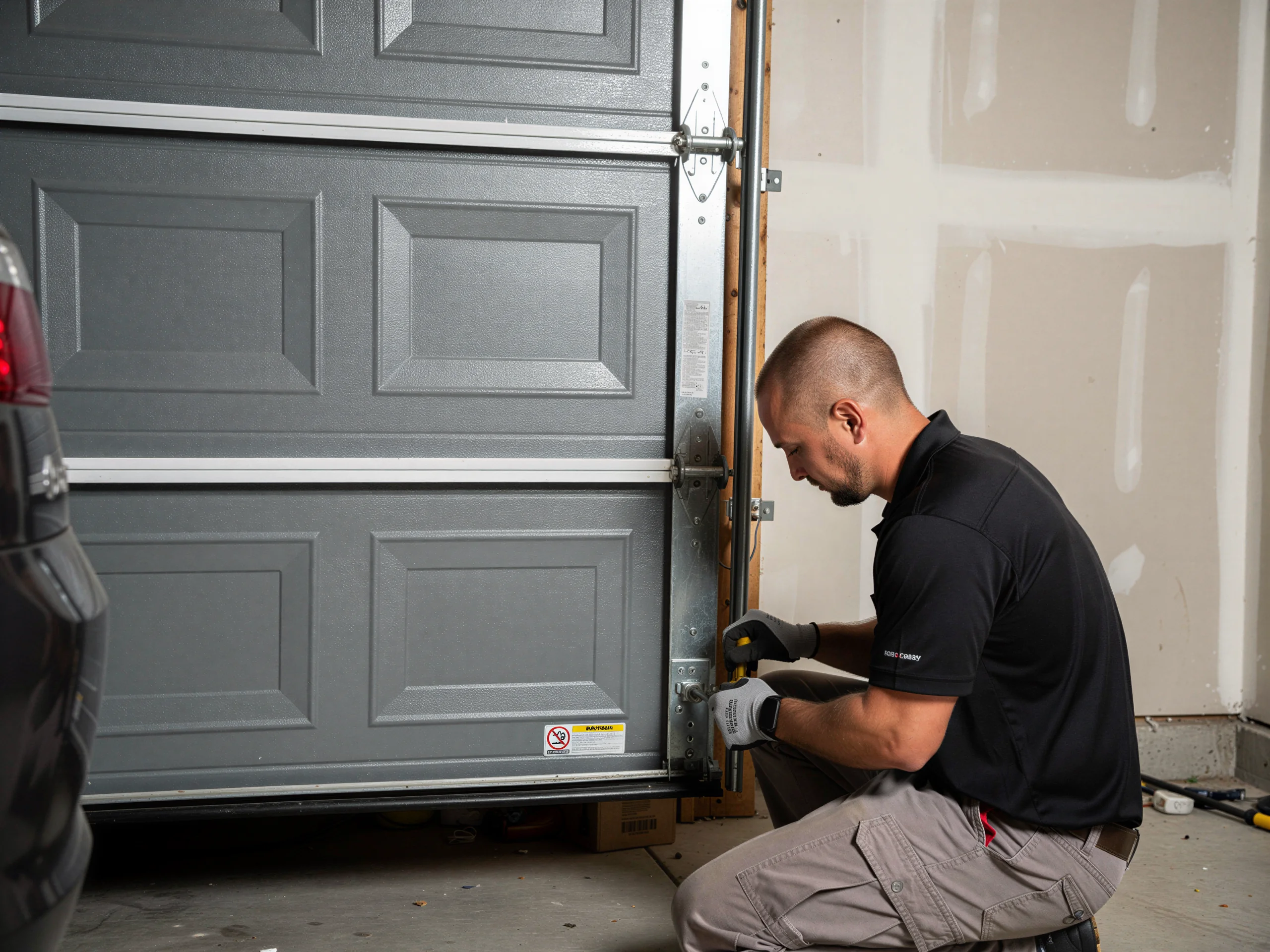
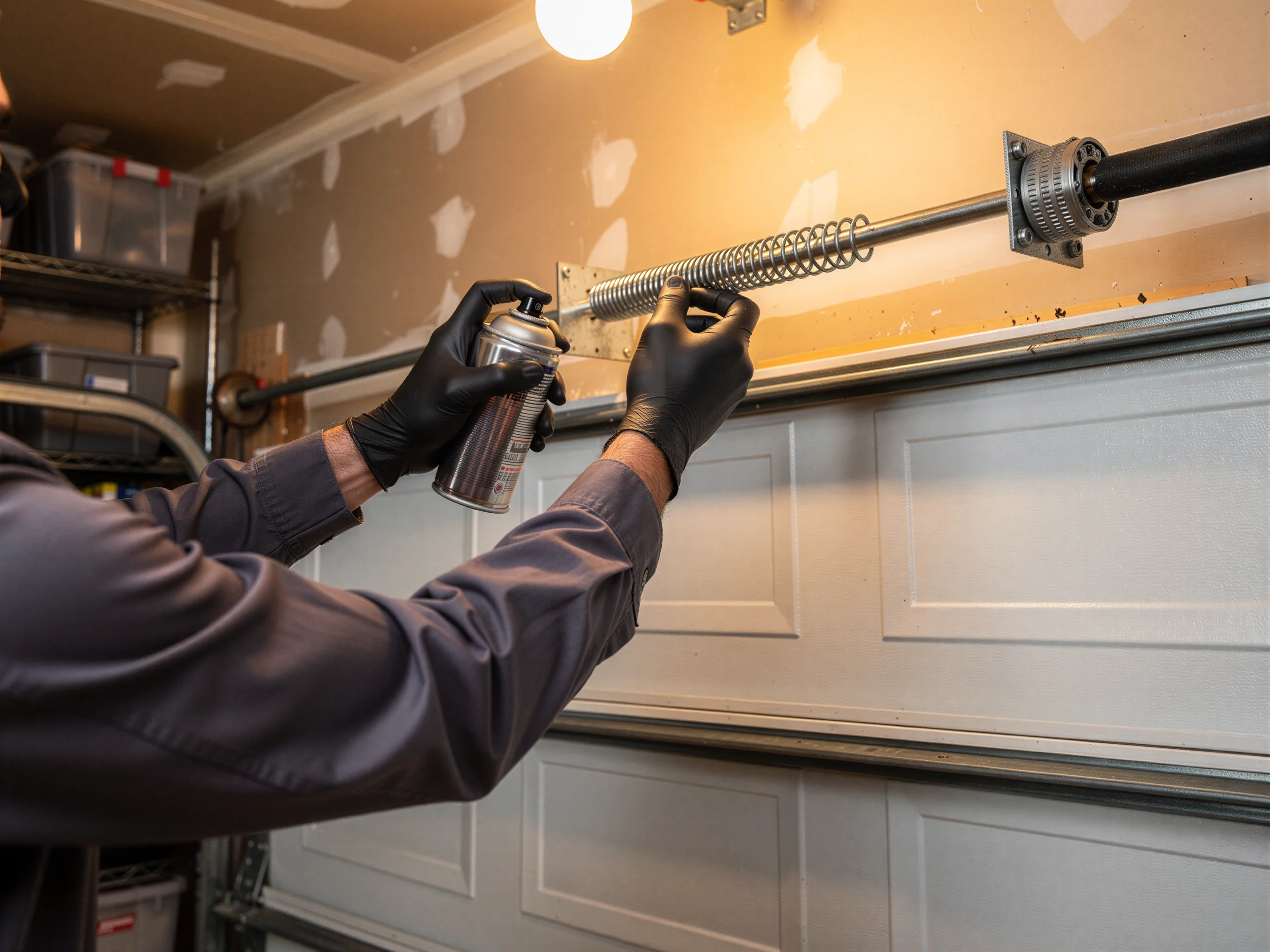
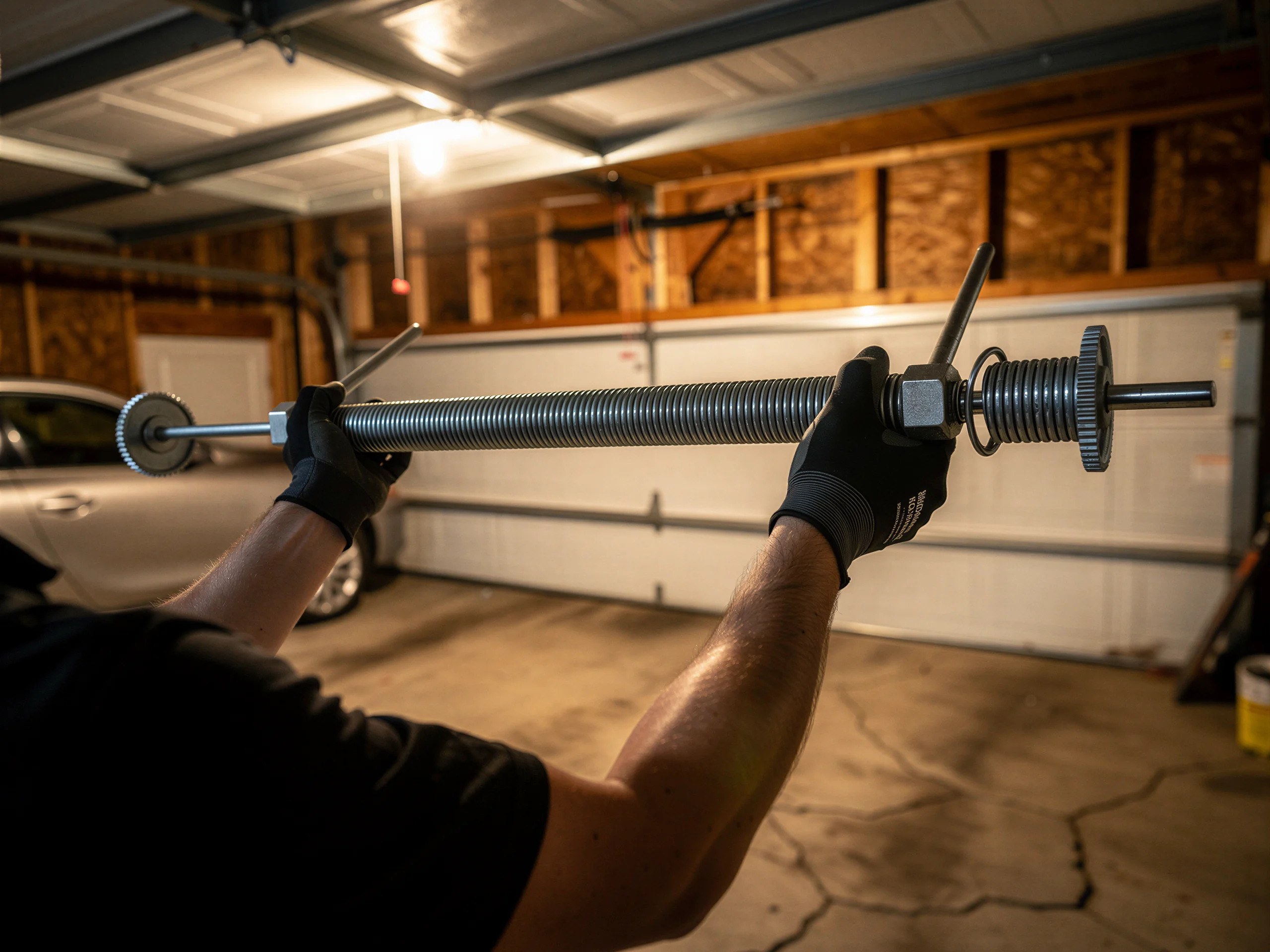
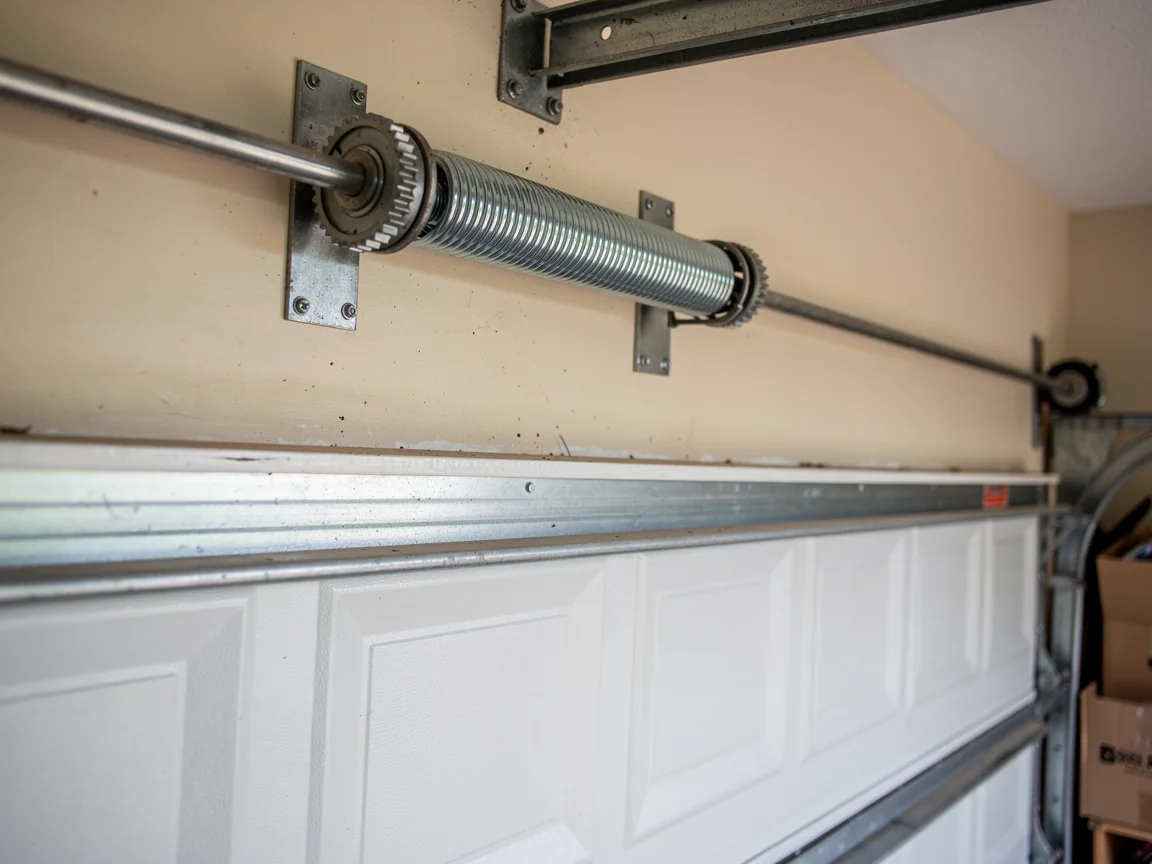
Swapping a single roller on a door that's already open and supported isn't beyond a homeowner with the right tools, as long as the door is down and the opener is disconnected before anything touches the track. The part that gets people hurt is working near a loaded torsion spring, and on a door built around the stock hardware common to 1982, that spring is original or close to it and has had forty years to fatigue.
If you're only replacing the bottom rollers with the door down and the opener unplugged, it's a reasonable weekend job. If you need to pull rollers near the top section or the track has already bent, that's where we'd tell you to call it - a bent track pinned under a loaded spring is not a place to learn on the job.
Talk to a local pro
Garage door service in The Woodlands?
Same-day service with honest, upfront quotes.