
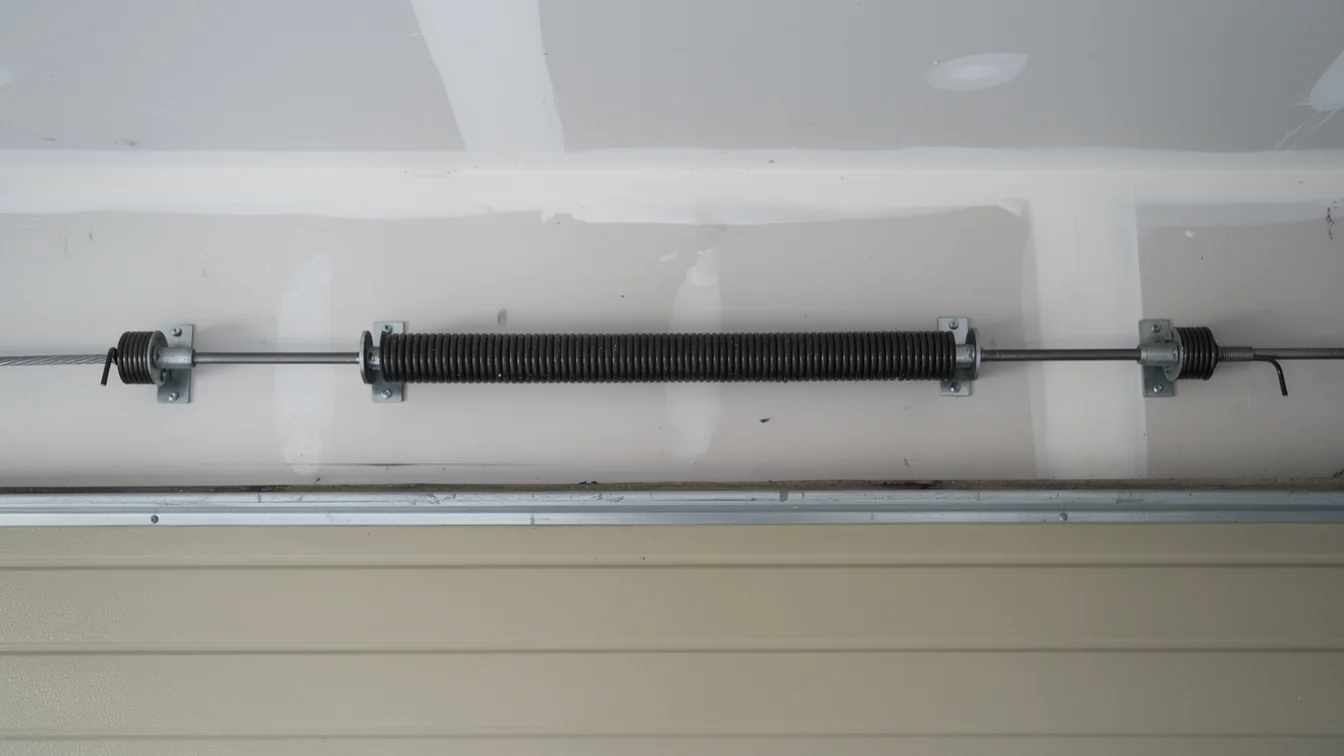
Why Cold Snaps Break Springs in Older Woodlands Garages
A broken torsion spring in cold weather hits older Woodlands garages hard.
Read moreBlogThe Woodlands, TX · 4 min read
Most Woodlands garages were built 1971-2012, and that range decides whether a power cut leaves your door stuck shut or easy to release by hand.
Local detail
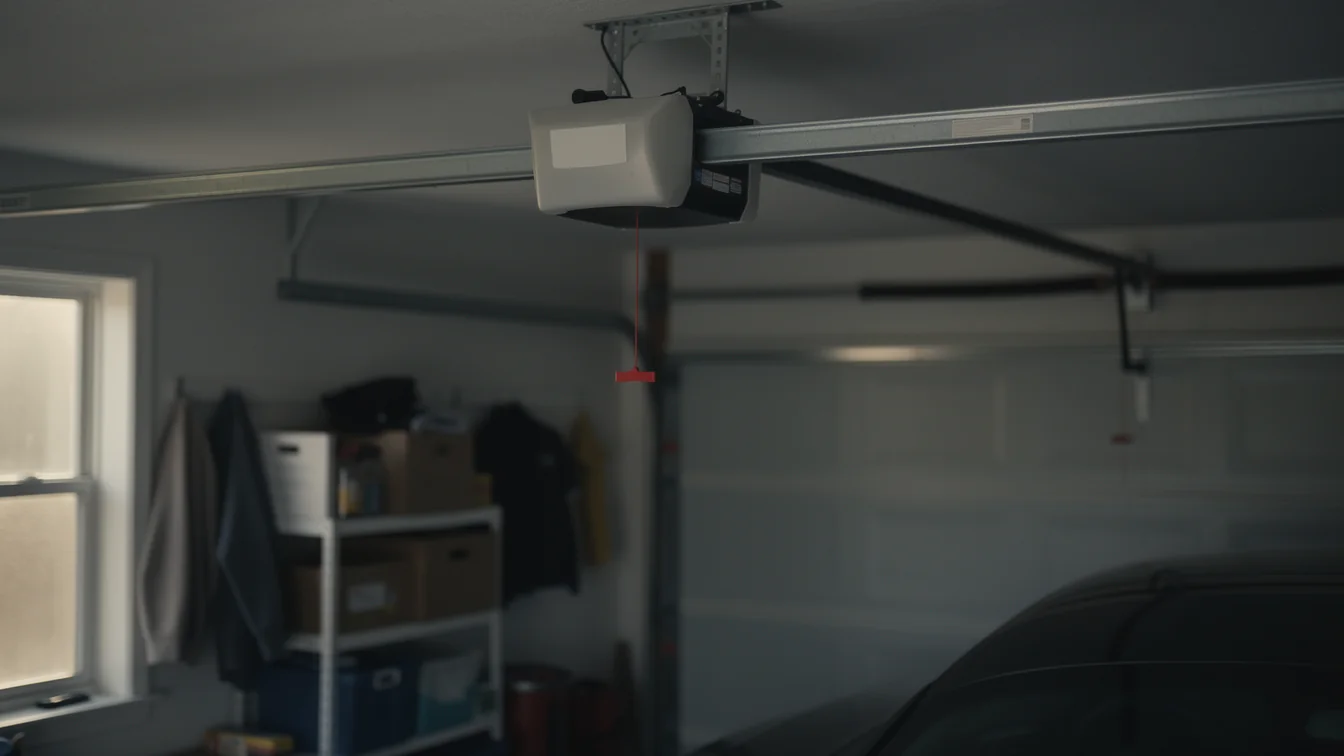
Houses in this area mostly went up between 1971 and 2012, with the bulk of the stock from the 1980s and 90s across neighborhoods like Cochran's Crossing, Alden Bridge, and Sterling Ridge. That matters more than people think when the power drops. An opener installed when a house was built in, say, 1988 is long past its service life, and even a replacement unit from the 2000s may not have a battery backup, since that feature only became standard equipment in the past decade or so. When the power goes out and your opener has no backup, the door is not broken - it is just sitting on a motor with no electricity, and the only way in or out is the manual release cord.
This isn't a dramatic problem, but it catches people at the worst time: rushing out the door, storm coming, power already down. If you don't know where your release cord is before that moment, you're fumbling for it in the dark. It's worth finding it once, on a calm day, so you're not learning the hard way.
The area
Find the manual release cord - the red handle hanging from a track near the opener rail. Pull it down and back while the door is closed; this disconnects the trolley from the motor so you can lift the door by hand. Try it once with the door down, not up, since a disconnected door can drop fast if the springs are weak or worn, and a lot of the springs in this area are original to openers from the 1980s-90s stock we mentioned.
If the door feels heavy or uneven when you lift it manually, that's not an opener problem - that's a spring or cable problem wearing in the background, and the opener has just been doing extra work to cover for it. Reconnect by pulling the cord toward the door until the trolley clicks back into the track, then let the opener take over again.
We don't install battery backup units as an add-on to very old openers - if the opener motor is original to a 1980s or 90s build, the labor to retrofit a backup rarely makes sense next to just replacing the whole unit.
What we find
The climate here runs on the moderate-to-warm end rather than hard freeze-thaw, so you're not dealing with the ice-jammed tracks that colder regions get. What you do get is long stretches of heat working on rubber seals, plastic gears inside the opener housing, and the logic board sensors near the top of the unit. None of that is sudden - it's wear that adds up over years in a garage that sits attached to a house built sometime in that 1971-2012 window, many of them now 30-plus years old.
The practical seasonal check is simple: test the manual release and the backup battery (if you have one) before the hot months get going, not during a storm. A dead backup battery is useless exactly when you need it, and it's a five-minute check rather than a repair call.
How we work
The moderate heat band this area sits in is easier on garage doors than a harsh winter climate, but it still does its work. Heat breaks down the lubricant on rollers and hinges faster than people expect, and a dry chain-drive opener - the common type across the older stock near Shenandoah, Oak Ridge North, and Panther Creek - will grind and strain the motor if it's never oiled. That strain is what eventually trips a breaker or burns out a capacitor, and then you're dealing with an opener failure that looks like it came out of nowhere but was months in the making.
We can't tell you a power cut won't happen - the opener motor and the electrical grid are two separate systems and we only work on one of them. What we can tell you is that a door with fresh lubrication, correctly balanced springs, and a release cord you've actually located ahead of time will give you a working path in or out no matter what the power is doing.
Questions
Very normal. Battery backup only became a common feature in the last decade or so of openers. If your house or opener dates to the 1980s-90s stock common in this area, it likely doesn't have one unless it's been replaced recently. The manual release cord is your path in during a power cut.
Heat dries out lubricant on the chain and rail faster than cooler climates do. In the moderate-heat band this area sits in, that drying happens gradually over the warm months. A dry chain strains the motor, which is often what leads to an opener failure that seems sudden but built up over time.
Usually not worth it. If the opener motor itself is original to a 1980s or 90s install, we'd rather put that labor toward a full replacement with backup built in than retrofit an aging unit that may fail on its own soon anyway.
Recommendation
More garage door guides for The Woodlands homeowners.
A broken torsion spring in cold weather hits older Woodlands garages hard.
Read more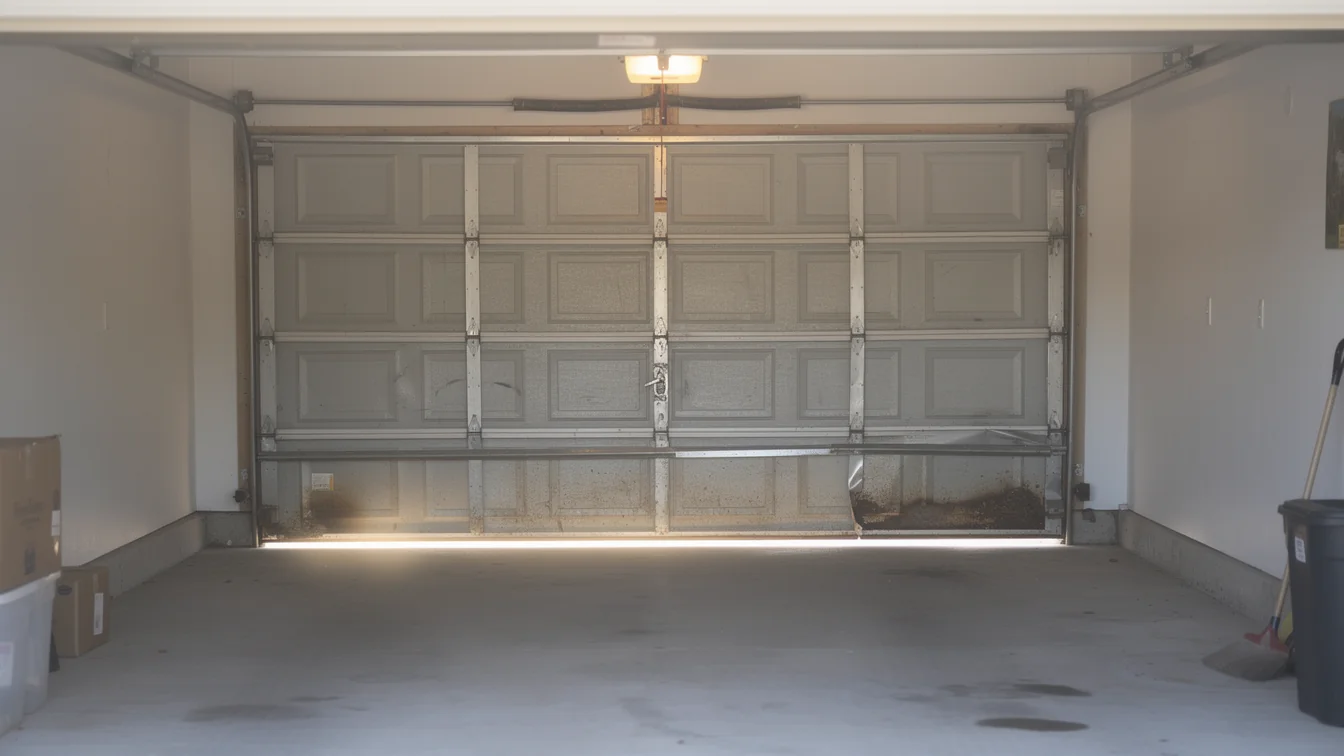
Most houses here date to the 1971-2012 build window, many from the 80s and 90s.
Read more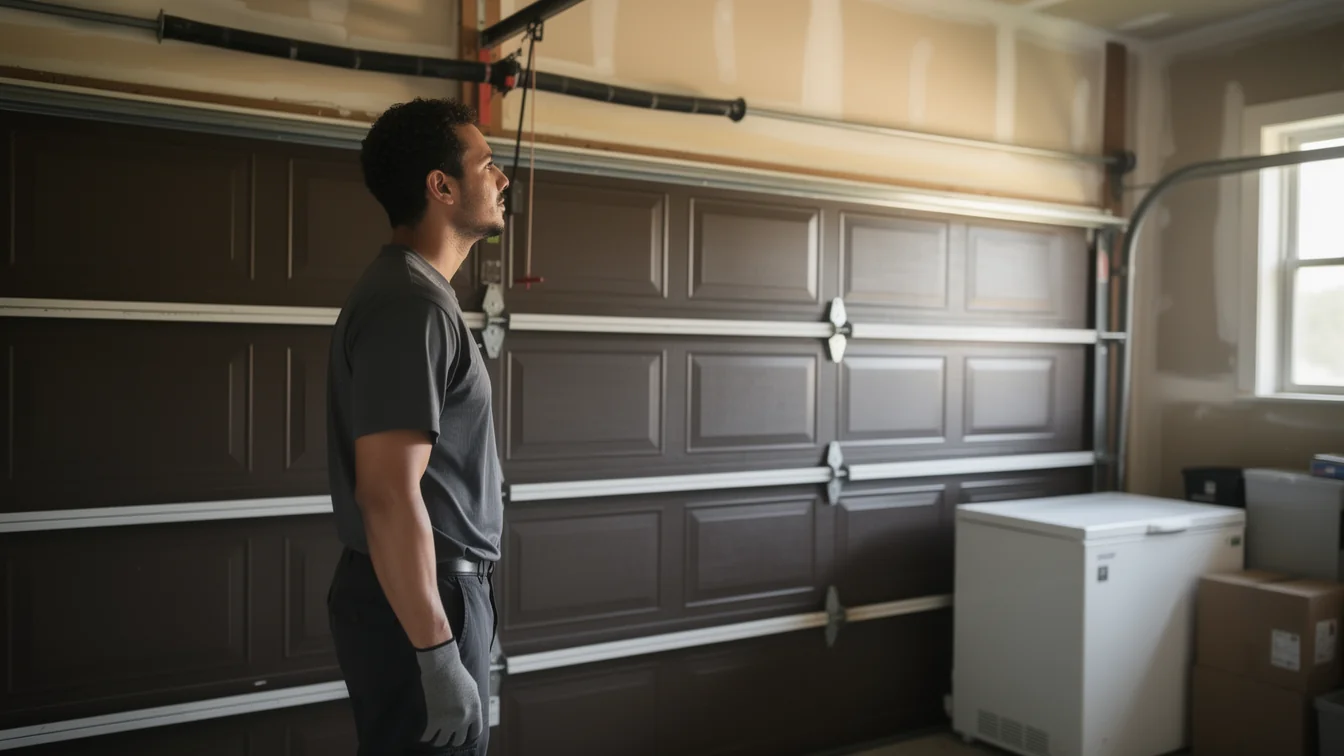
In a town built mostly 1971-2012, median 1988, that grinding or popping has a specific cause.
Read moreReady when you are
The Woodlands Garage Door Pros repairs and installs garage doors, springs and openers in The Woodlands, TX and the surrounding area.