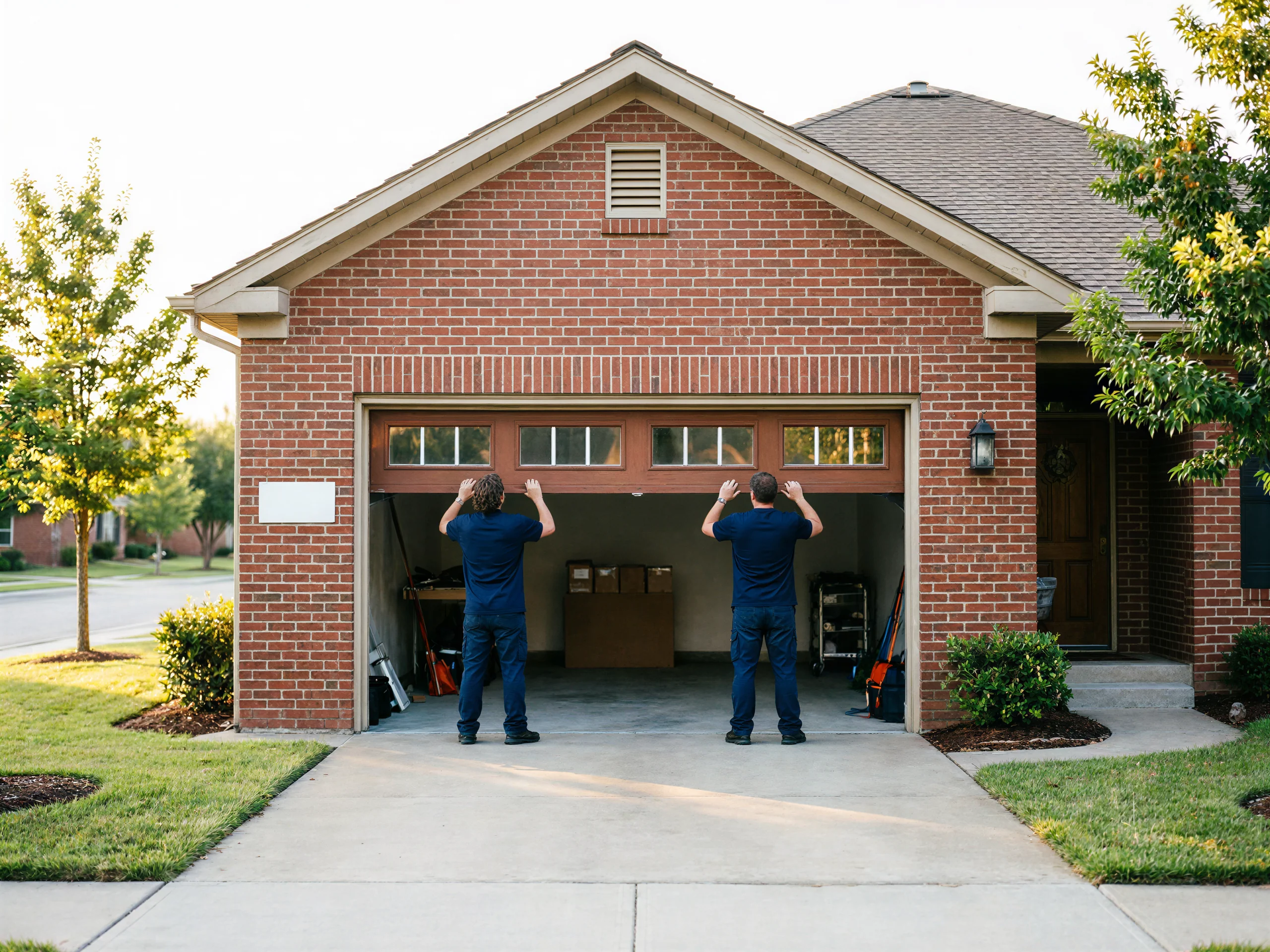
What You Are Seeing
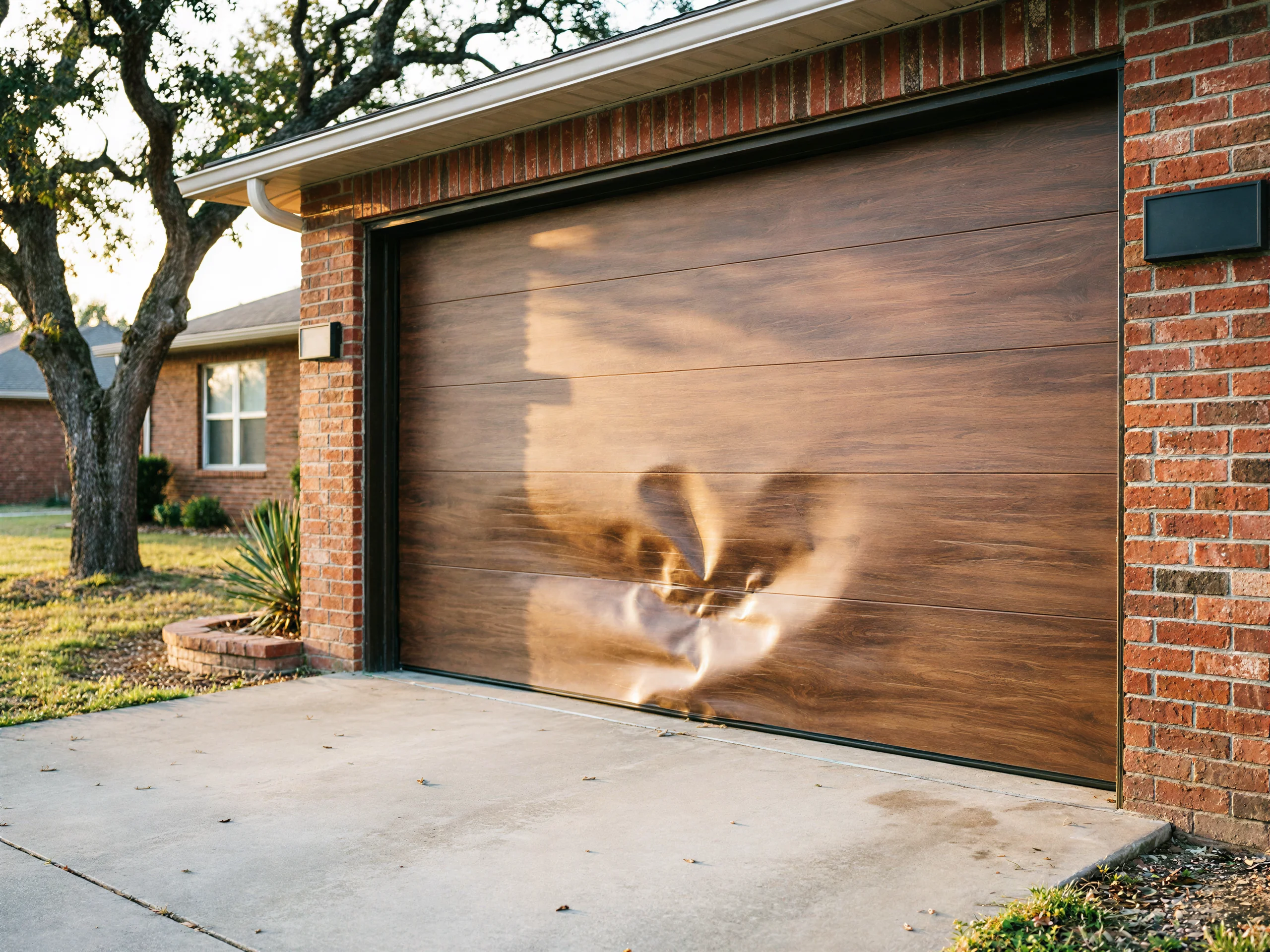
Most calls we get for maintenance start the same way: the door hesitates before it moves, the opener strains a little more than it used to, or there's a grinding sound on the way up that wasn't there last year.
Decades of roller wear
Across the service area, housing went up mostly between 1971 and 2012, with the bulk of it dating to the 1980s and 90s. That means a lot of torsion springs, rollers, and track hardware are now thirty to forty years into a service life that tops out well before that.
Heavier feel, clicking opener
You're not imagining it when the door feels heavier or the opener clicks on and off twice before it catches. A door that worked fine five years ago on original hardware is at the point where small wear adds up fast.
Same pattern everywhere
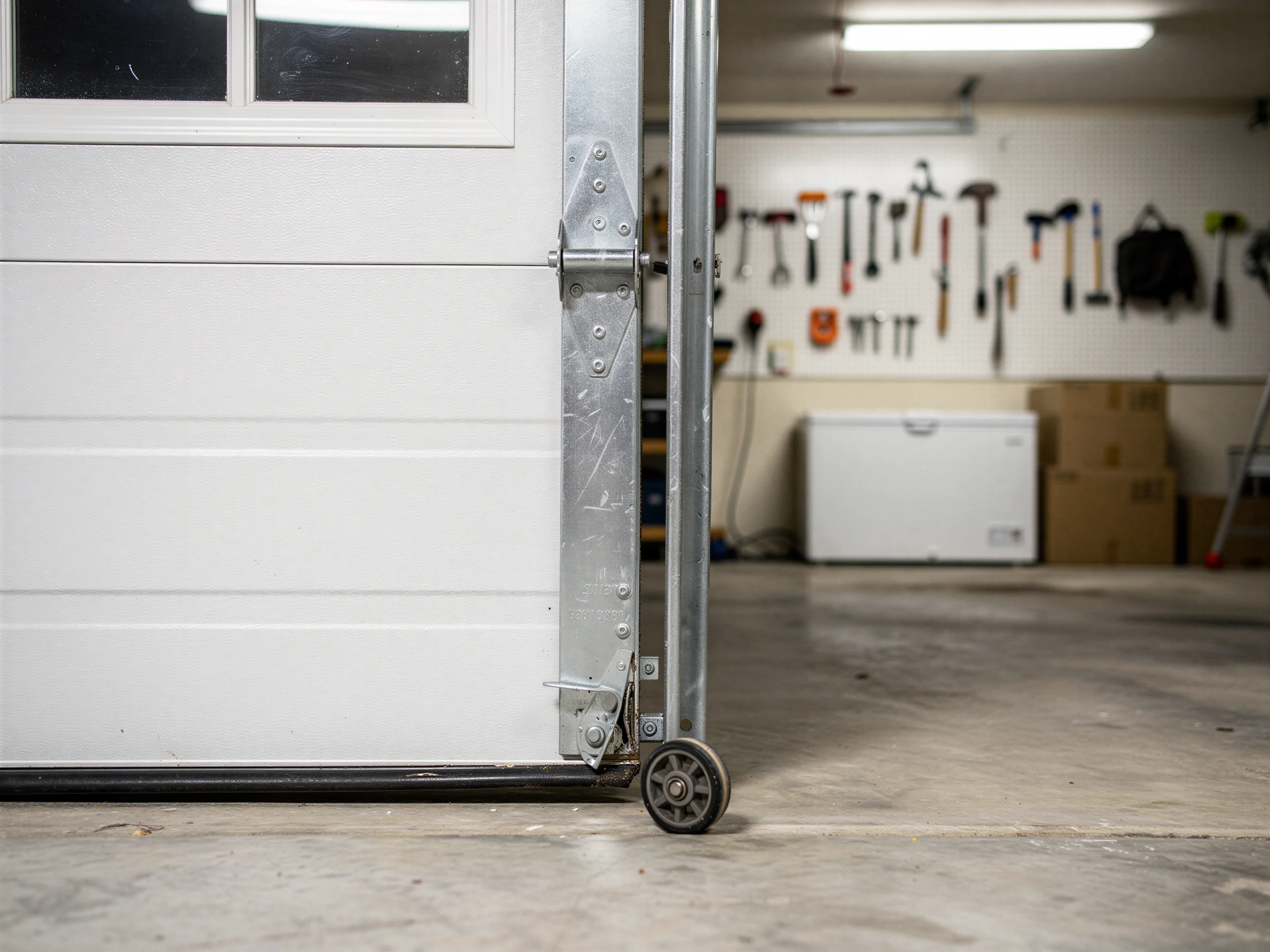
This isn't limited to one neighborhood - it shows up the same way whether the house sits near Research Forest, Cochran's Crossing, or out toward Alden Bridge, because the building stock and timeline are consistent across the twelve areas we cover. The symptoms are mechanical, not cosmetic: a spring losing tension, a roller flattening on one side, hinges working loose from thousands of open-close cycles.
Why This Fails Locally
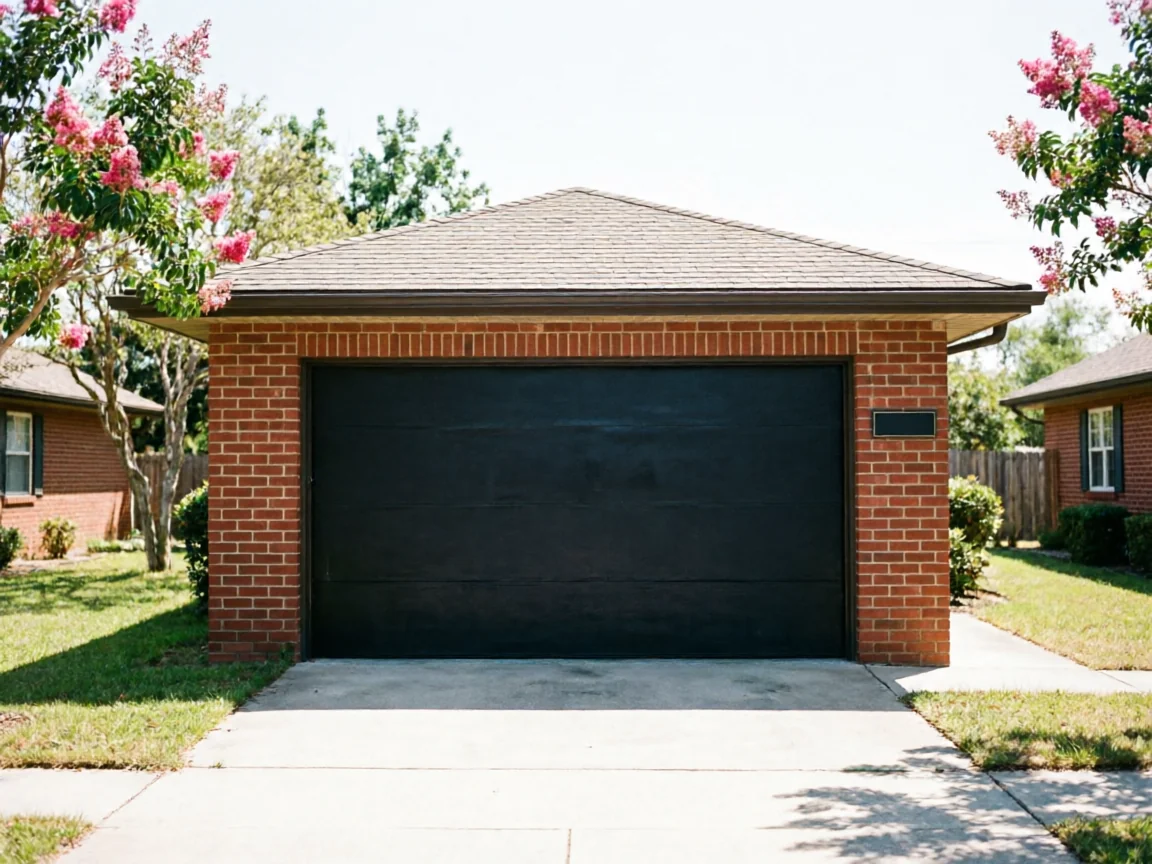
The climate band here runs moderate-to-heat, and that matters more for a garage door than most owners expect. Heat cycling - hot days, cooler nights, humidity swings - works on steel springs and lubricated track hardware in a way that's slow but constant. A spring rated for a set number of cycles gets there faster when it's expanding and contracting with temperature instead of sitting at a stable load. Add in housing built mostly in the 1980s and 90s, and you've got hardware that was installed before a lot of today's weather-rated coatings and rollers were standard. None of that is unique to one street - it's the shared condition of a service area with roughly 18,369 households and about 8,242 owner-occupied houses, many of them built in that same twenty-year window with median household income around $74,424, high enough that most owners maintain rather than defer. The failure mode is consistent: original or early-replacement hardware, moderate heat exposure, and enough years on the clock that lubrication has dried out and springs have lost measurable tension. It's a maintenance problem before it becomes a repair problem, which is exactly the window where a tune-up does the most good.
What the Fix Involves
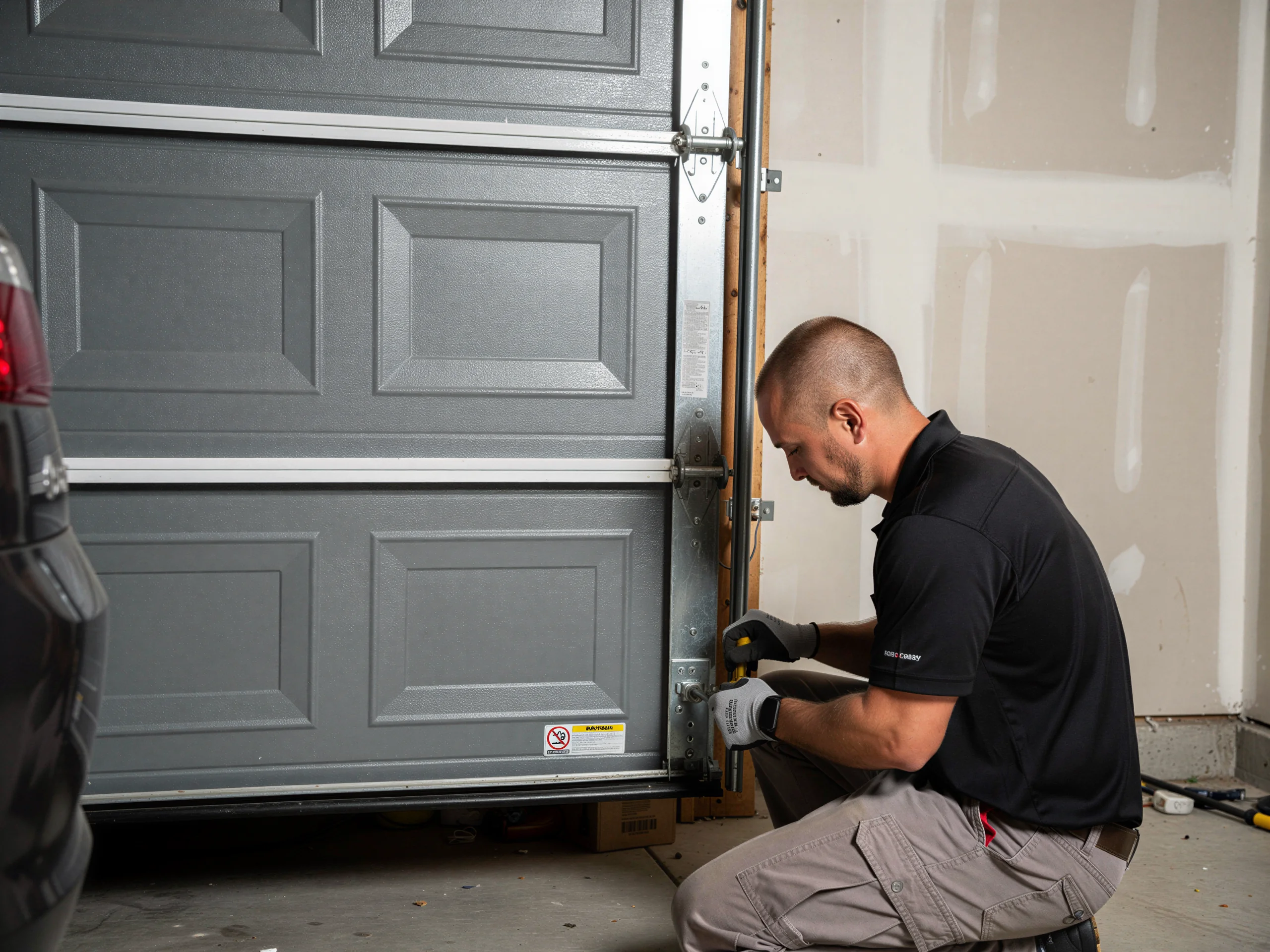
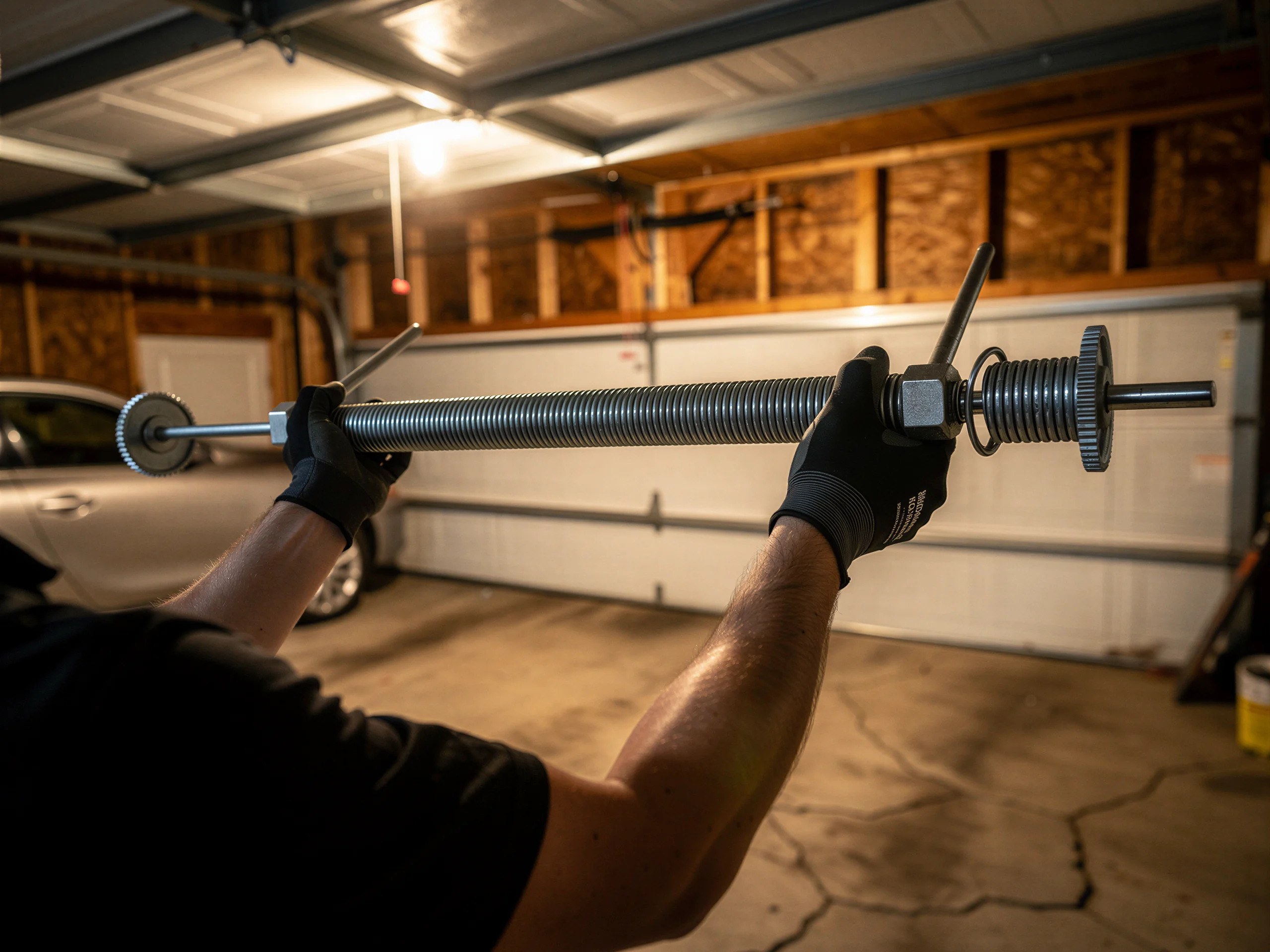
A real maintenance visit isn't a five-minute once-over. We check spring tension and balance - a door that's out of balance puts extra load on the opener motor every single cycle, which shortens its life too.
Roller and track inspection
Rollers get inspected for flat spots or cracking, especially on doors that have been in service since the 1980s or 90s build wave common across this area. Track alignment gets checked, since years of thermal expansion and contraction can walk brackets out of true.
Correct lubricant use
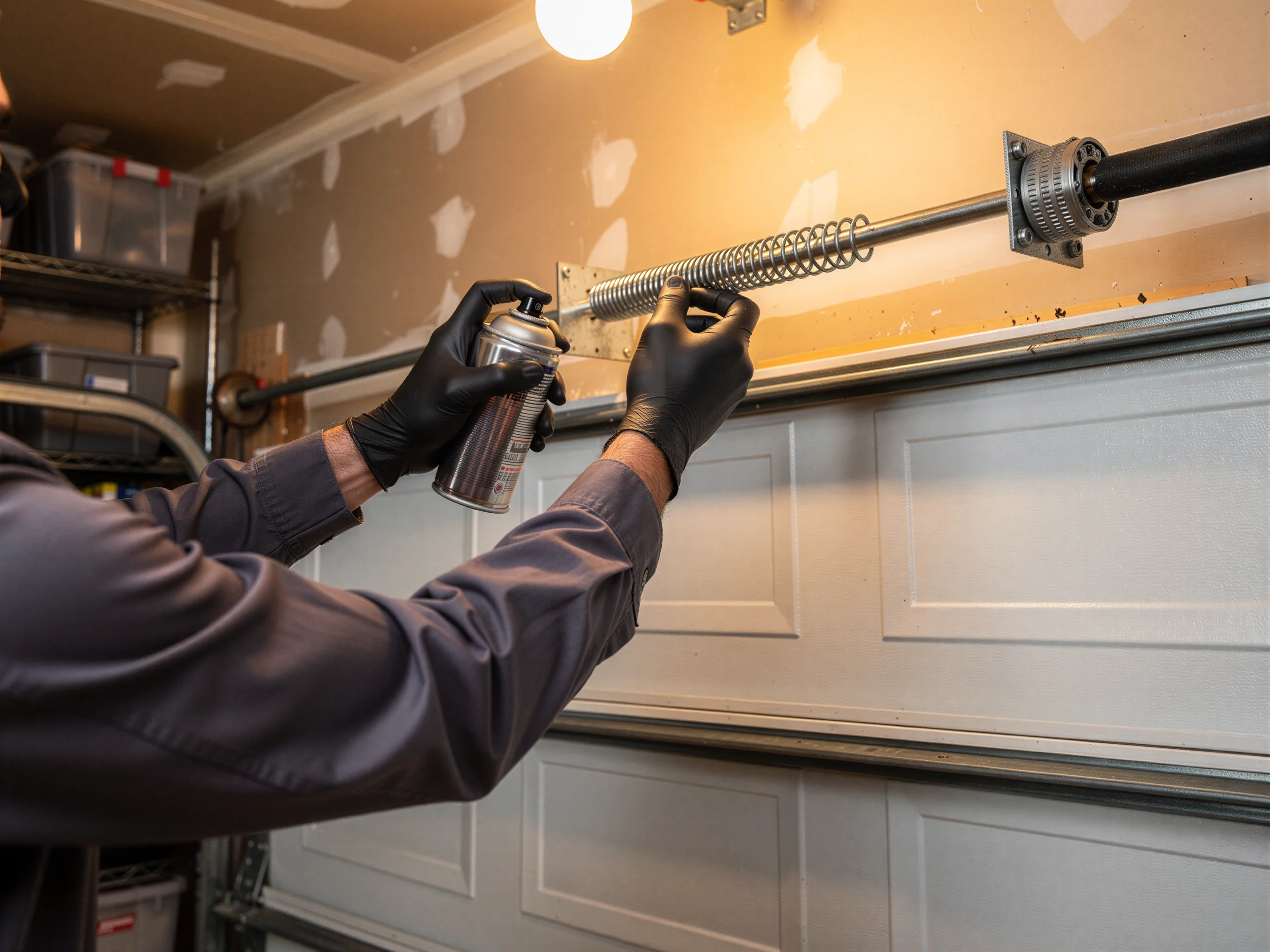
We lubricate hinges, rollers, and the torsion spring itself with the right lubricant for the component - not the all-purpose can from the hardware store shelf. Cables get a visual check for fraying near the drum, and we test the auto-reverse safety function, which matters more in houses with original openers that predate current safety standards.
Tightening loose hardware
We'll also tighten hardware that's worked loose from cycle count alone. None of this requires tearing the door apart. It's a maintenance pass, not a rebuild, and it's meant to catch the things that turn into an after-hours spring-break call if they're left alone through another season of heat cycling.
What Can Go Wrong
Here's the honest part: maintenance doesn't fix everything, and we're not going to tell you it does. If a spring is already stretched or showing rust through the coil, lubrication won't save it - it needs replacing, and we'll say so rather than charge for a service that won't hold. Same with rollers that are cracked rather than just worn; a tune-up can only do so much on a part that's structurally done. On older doors built when the area's housing stock was going up in the 70s and 80s, we also sometimes find hardware that's no longer made in the original spec, which can mean a slightly different replacement part rather than an exact match. We don't stock every obsolete bracket or roller size for every decade of construction, and sometimes that means a short wait on a part. If a door panel itself is warped or the opener's logic board is failing, that's a repair or replacement conversation, not a maintenance one, and we'll tell you which one you're actually facing before we start any work.
Talk to a local pro
Garage door service in The Woodlands?
Same-day service with honest, upfront quotes.