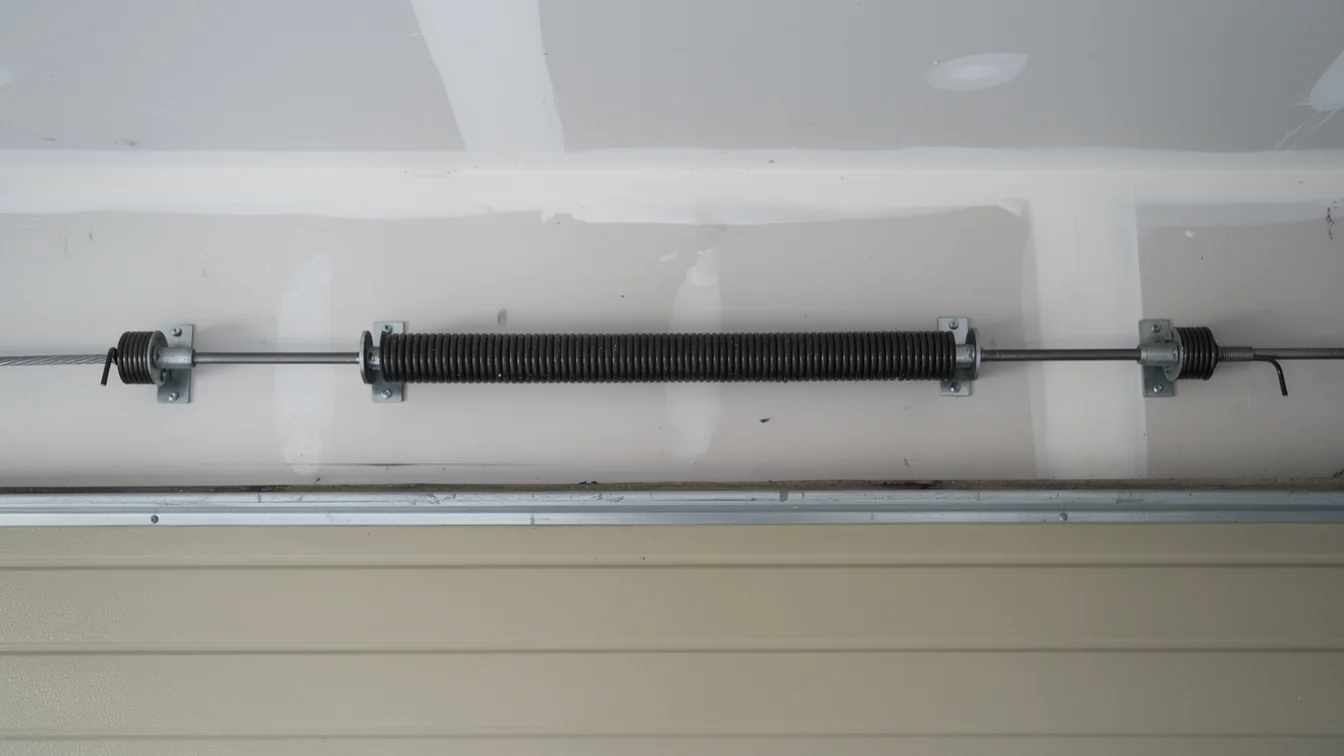
Why Cold Snaps Break Springs in Older Woodlands Garages
A broken torsion spring in cold weather hits older Woodlands garages hard.
Read moreBlogThe Woodlands, TX · 4 min read
Most houses here date to the 1971-2012 build window, many from the 80s and 90s. Here's what that housing stock means for your door and what to check before it fails.
Local detail
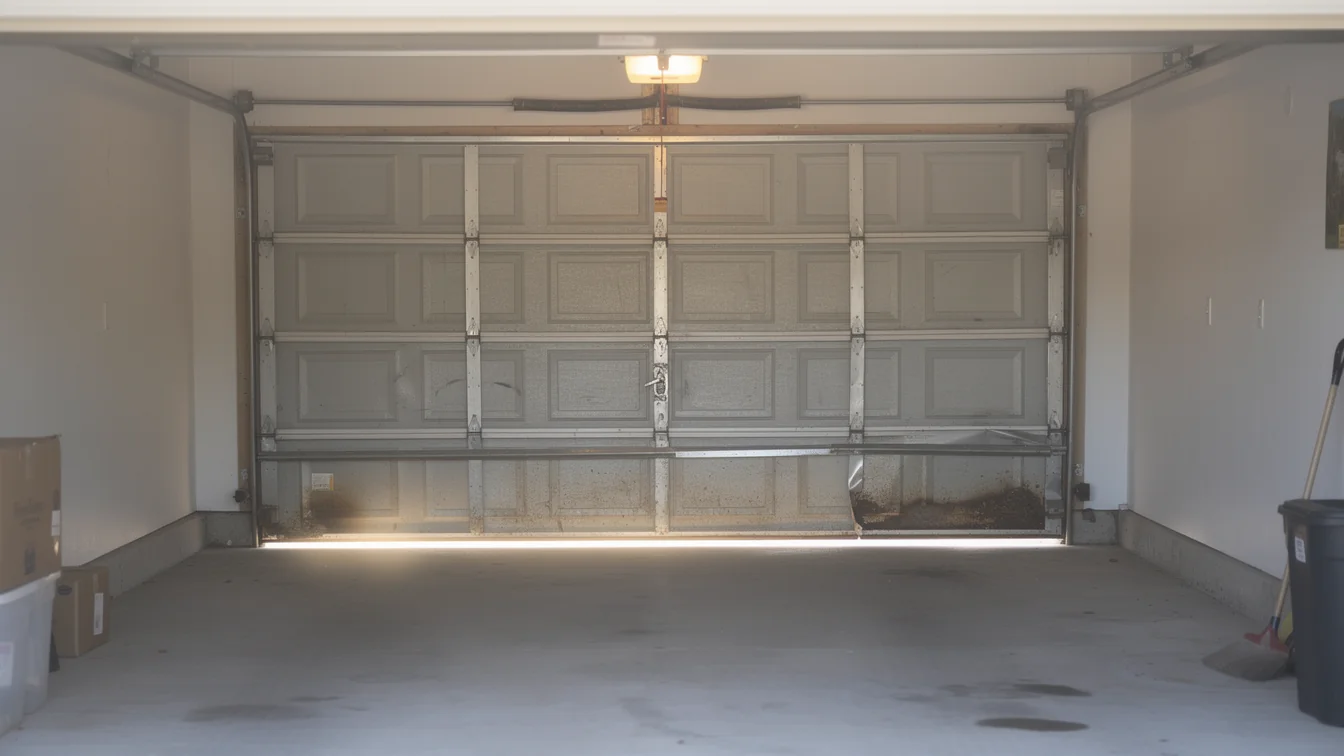
Walk the service area from Panther Creek down to Creekside Park and you're mostly looking at houses built between 1971 and 2012, with the bulk of that stock going up in the 1980s and 90s. That's the median: 1988. A door installed when a subdivision like Cochran's Crossing or Alden Bridge was new is now pushing thirty-plus years old, and a lot of those original doors never got swapped for anything with a foam core. They're single-layer steel, maybe with a thin vinyl backing if you're lucky, hung on hardware nobody's touched since the builder walked off the lot. With about 8,242 owner-occupied houses among 18,369 households across the area, that's a lot of original equipment still in service. None of that means the door is bad. It means the spring has had three decades of cycles on it, the rollers are the cheap nylon kind that ship standard, and the weatherstrip at the bottom has probably been replaced once if at all. Age by itself isn't a failure. Age plus heat exposure plus never having been serviced is where the call usually starts.
The area
Pull the release cord and lift the door by hand. It should move smoothly and stay roughly where you let go, about waist height. If it drops like a stone or won't come up past a few feet, the spring is losing tension and you're on borrowed time. Look at the bottom panel edge and the vertical tracks for rust streaks or chalky white buildup on the steel - on a door that's been in place since the 80s or 90s, that's normal weathering, not a defect, but it's worth noting how bad it's gotten. Check the cables at the bottom brackets for fraying. Listen for grinding when the opener runs; nylon rollers from that era get flat spots and start sounding like a shopping cart wheel. One honest limit here: if your spring is original and you're not sure of its wind count or wire gauge, don't try to adjust or replace it yourself. A torsion spring under tension is the one part of this job that puts people in the ER, and guessing at the size means buying it twice.
What we find
This area sits in a moderate heat band, not an extreme one, so you're not dealing with the kind of freeze-thaw cycle that cracks door seals up north. What you get instead is steady summer heat that runs for months, and that does its own kind of damage. Steel panels expand and contract daily through the warm season, and on an older door that's already a little out of square, that cycling works the seams and the panel joints loose over time. The bottom seal - the rubber gasket that runs along the floor - takes the worst of it, since it's sitting on hot concrete for half the year and drying out faster than the rest of the door. If you haven't looked at that seal in a few years, do it before fall. It's the cheapest part on the door and the first one to fail.
How we work
Moderate heat doesn't mean no stress on the hardware. Lubricant on hinges and rollers breaks down faster in sustained warm weather than people expect, and a torsion spring that's been baking in a hot garage for thirty summers loses tension at a different rate than one in a cooler climate. That matters most on houses from the 1980s and 90s stock, where the spring is original and nobody's logged its cycle count. The practical effect: springs here tend to go a little earlier than the generic 7-10 year estimate printed on the box, especially on south-facing garages that catch sun most of the day. We don't guess at remaining spring life from the driveway - if you want a real read on it, that's a call, not a blog post.
Questions
Not urgently, but check the lift test: pull the release and lift by hand. If it holds position around waist height, the spring's still doing its job. Past that, look at the bottom seal and the cables for wear. A door that's worked fine for decades can still be a few months from a spring failure with no warning.
The climate band for this area is moderate heat, not extreme, so you're spared the worst freeze-thaw damage. But sustained summer heat still dries out rubber seals and thins lubricant on hinges and rollers faster than people expect, especially on original hardware from the 1980s and 90s housing stock.
Depends what's wrong. A worn roller or a torn seal is a cheap fix on any door. A cracked panel or a spring that's failed on an uninsulated original door is usually the point where replacing with an insulated model makes more sense than patching one more time. We'll tell you which one you're looking at.
Recommendation
More garage door guides for The Woodlands homeowners.
A broken torsion spring in cold weather hits older Woodlands garages hard.
Read more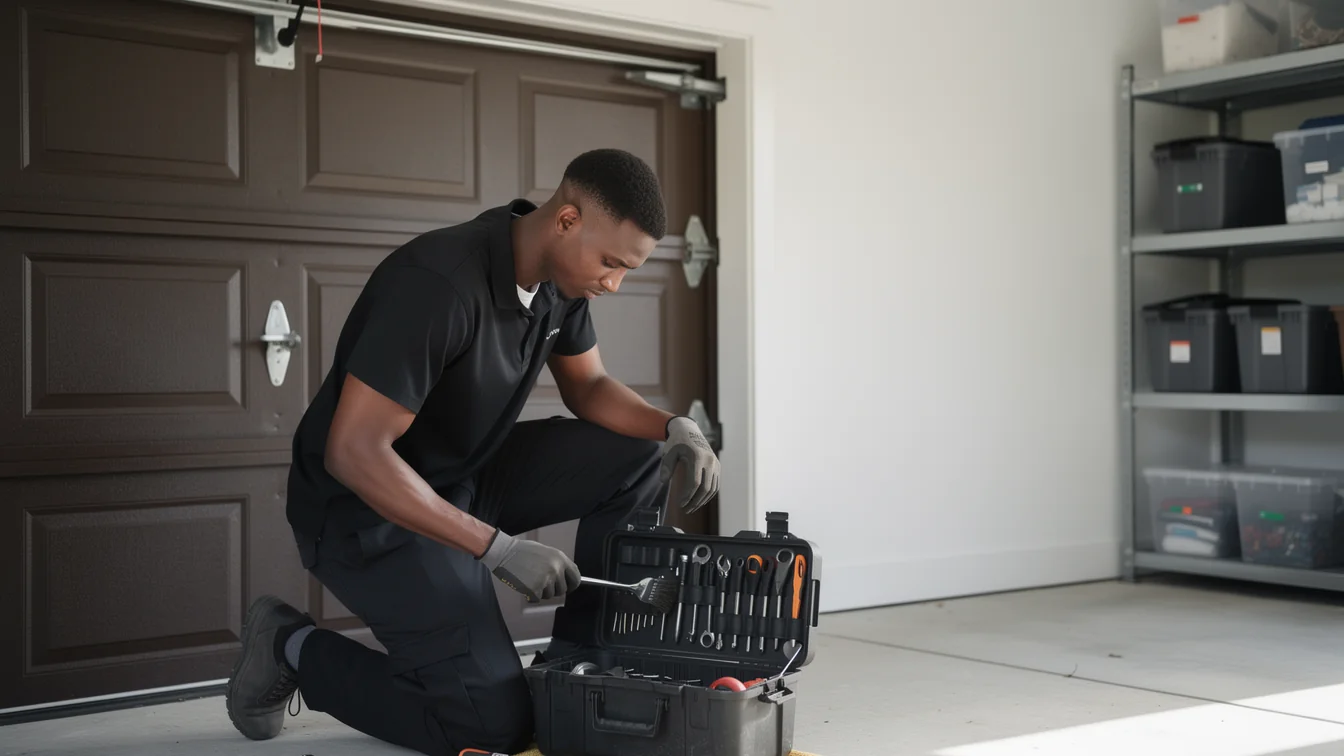
A breakdown of what a garage door service call actually checks on The Woodlands' 1980s-2000s housing stock, from springs to weather seals, before you book one.
Read more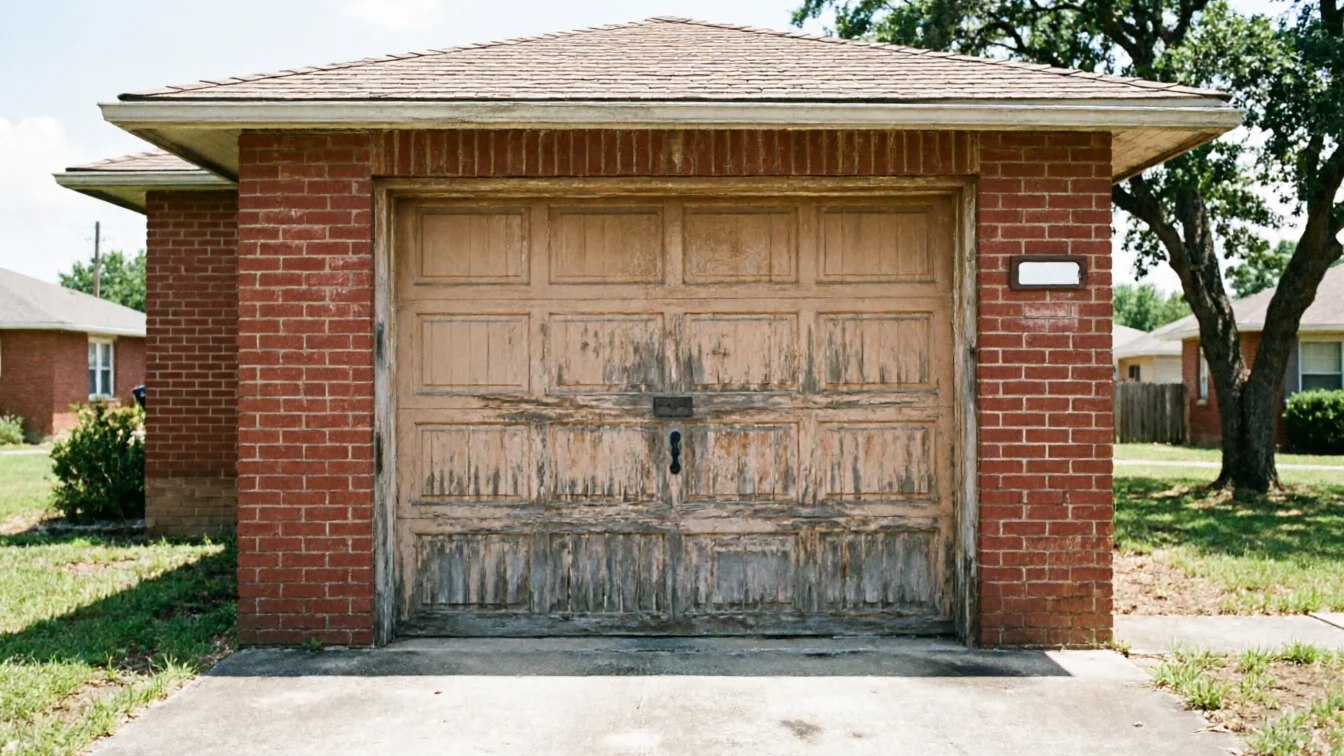
The Woodlands' housing mostly dates to 1971-2012, median 1988.
Read moreReady when you are
The Woodlands Garage Door Pros repairs and installs garage doors, springs and openers in The Woodlands, TX and the surrounding area.