What the Fix Involves
Most garage doors still in service on Aldine's older streets went up around 1971, which puts them at the early edge of the 1971-2012 build window across this whole service area.
Original metal roller setup
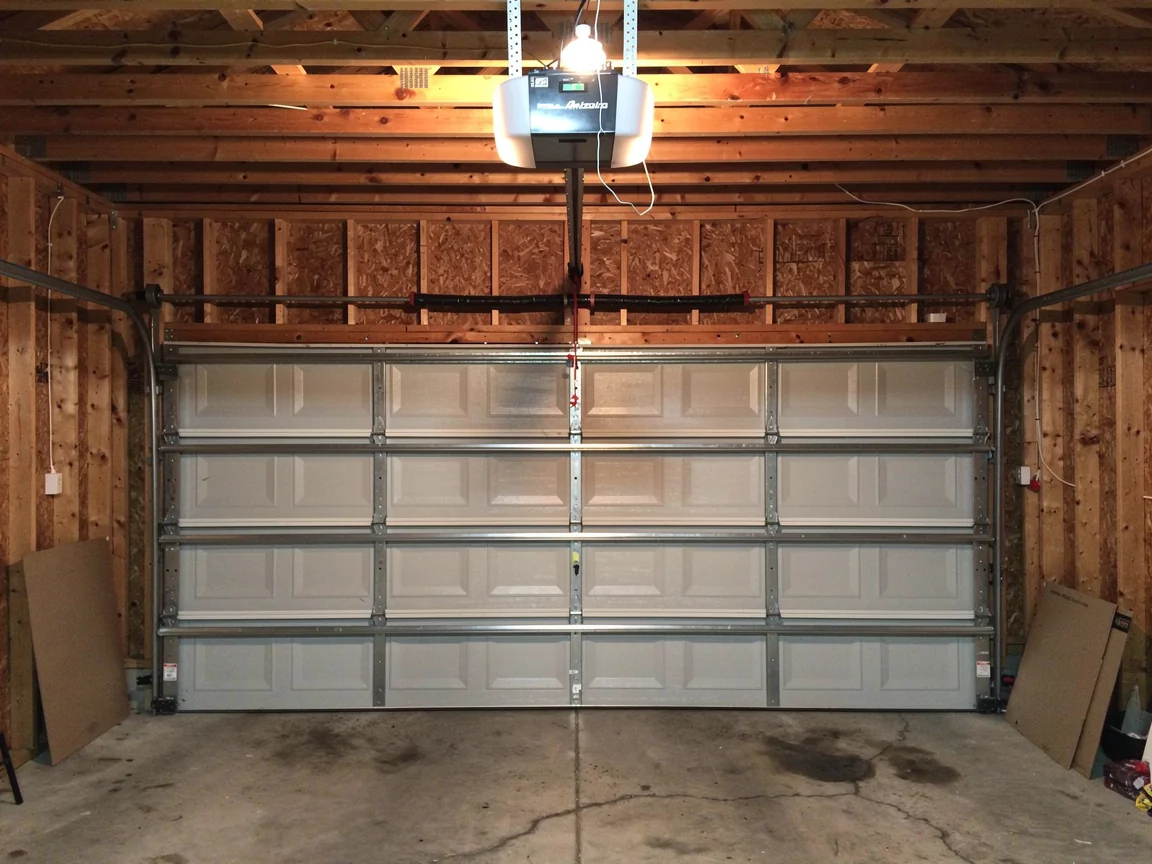
A door that age is usually a steel panel door, single or double width, hung on steel rollers riding in steel tracks - no nylon, no sealed bearings, just raw metal rubbing metal for five decades. That's the door we're talking about before we ever get to what's wrong with it.
One-at-a-time roller swap
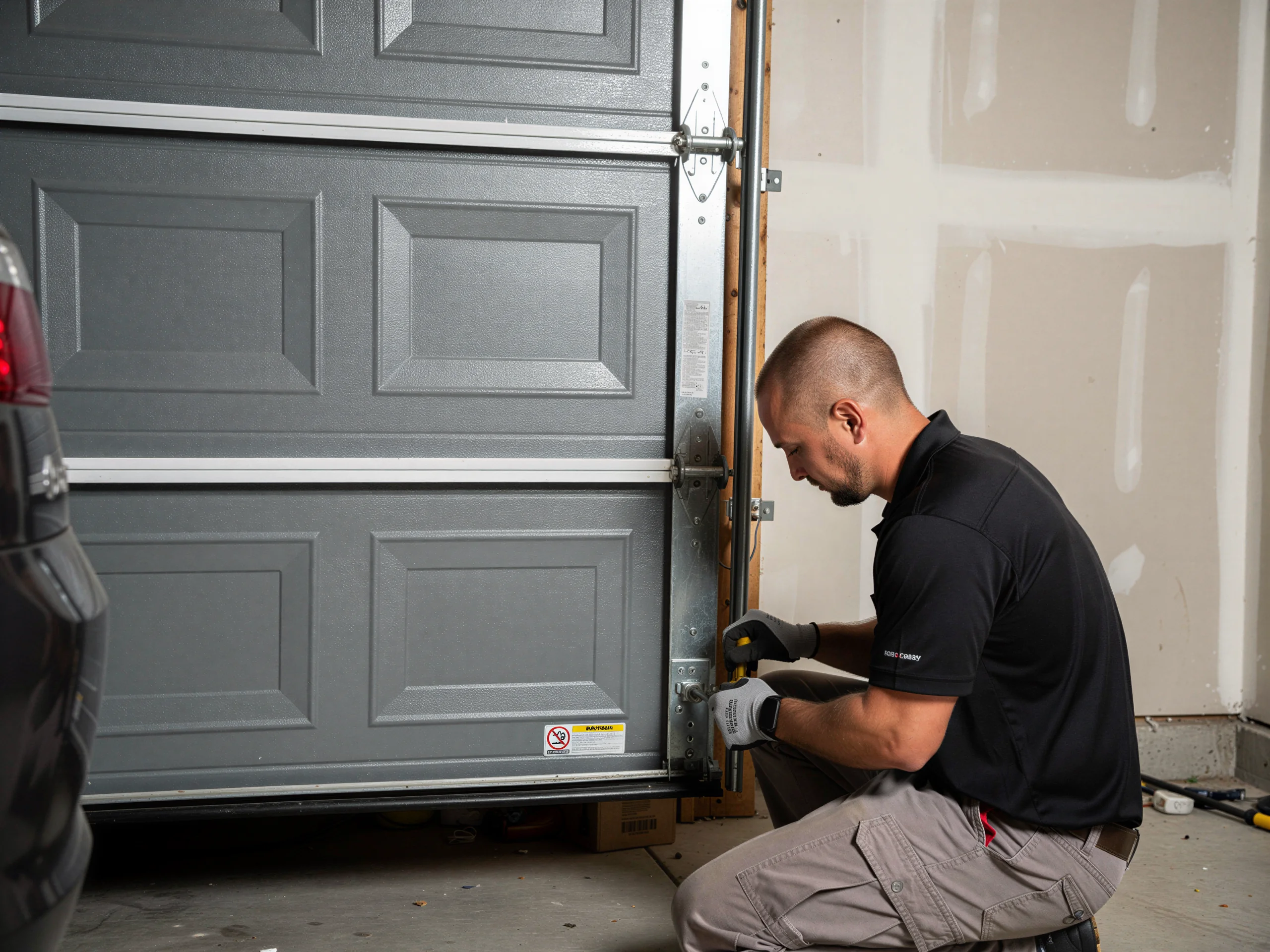
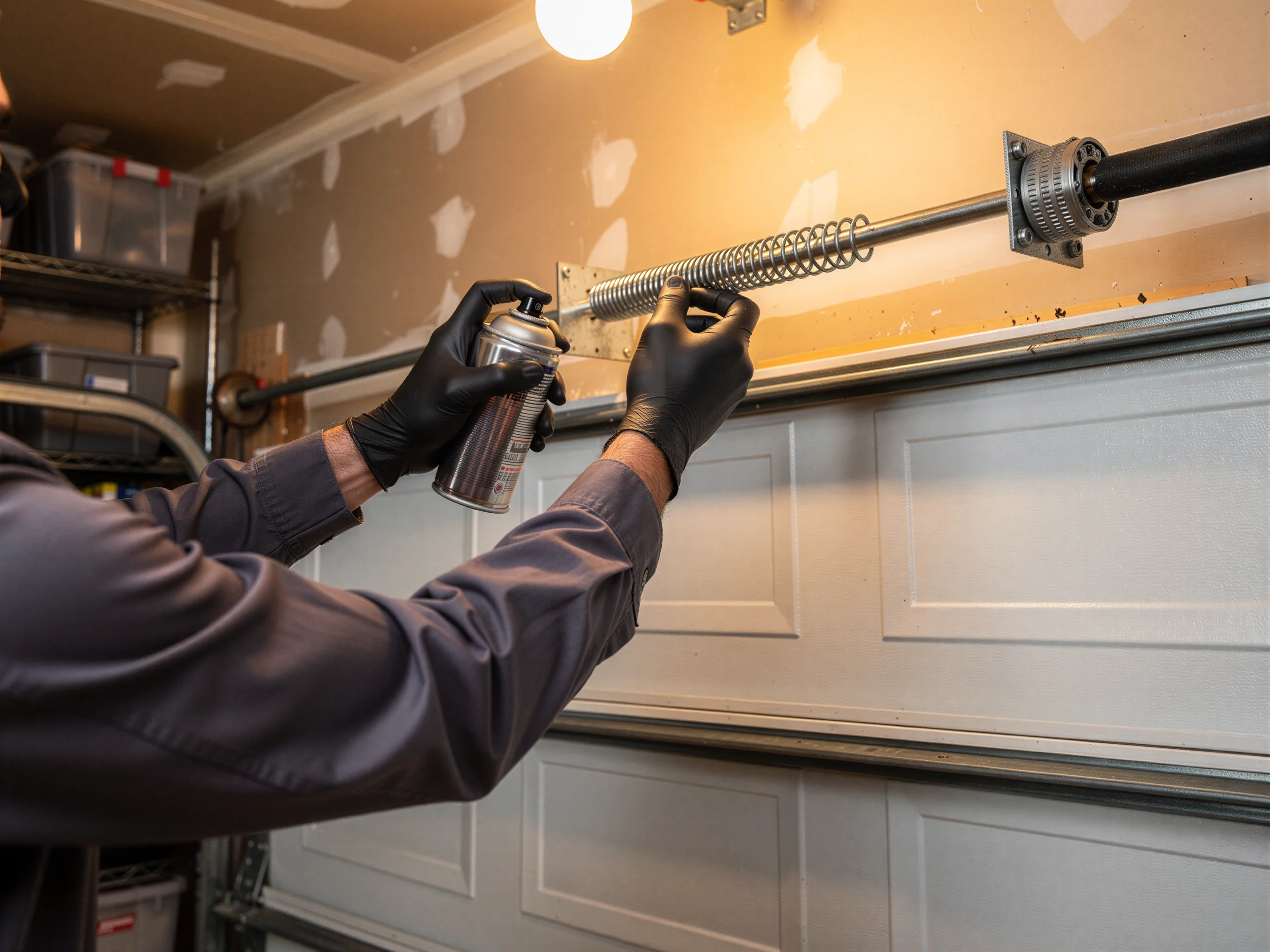
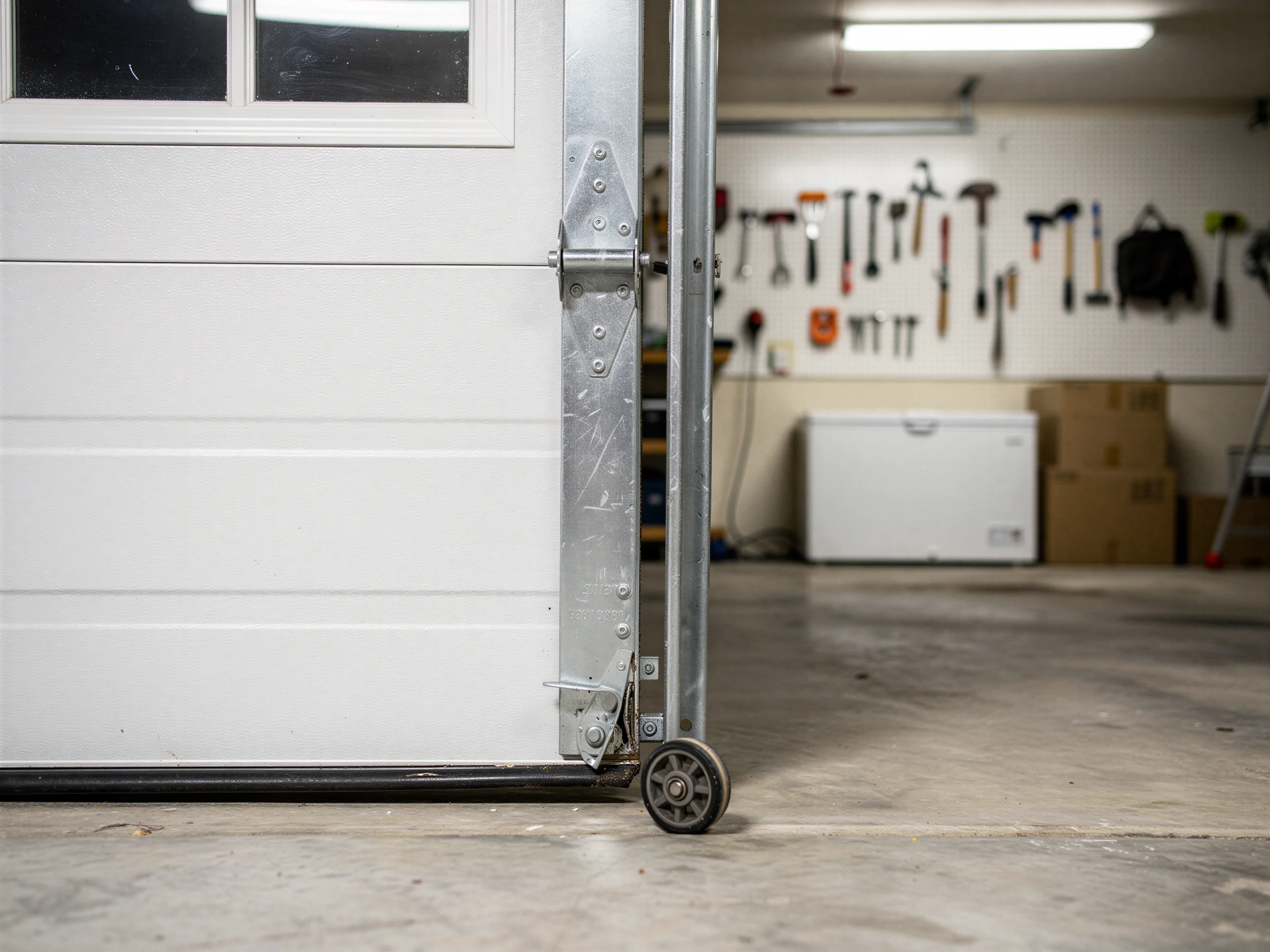
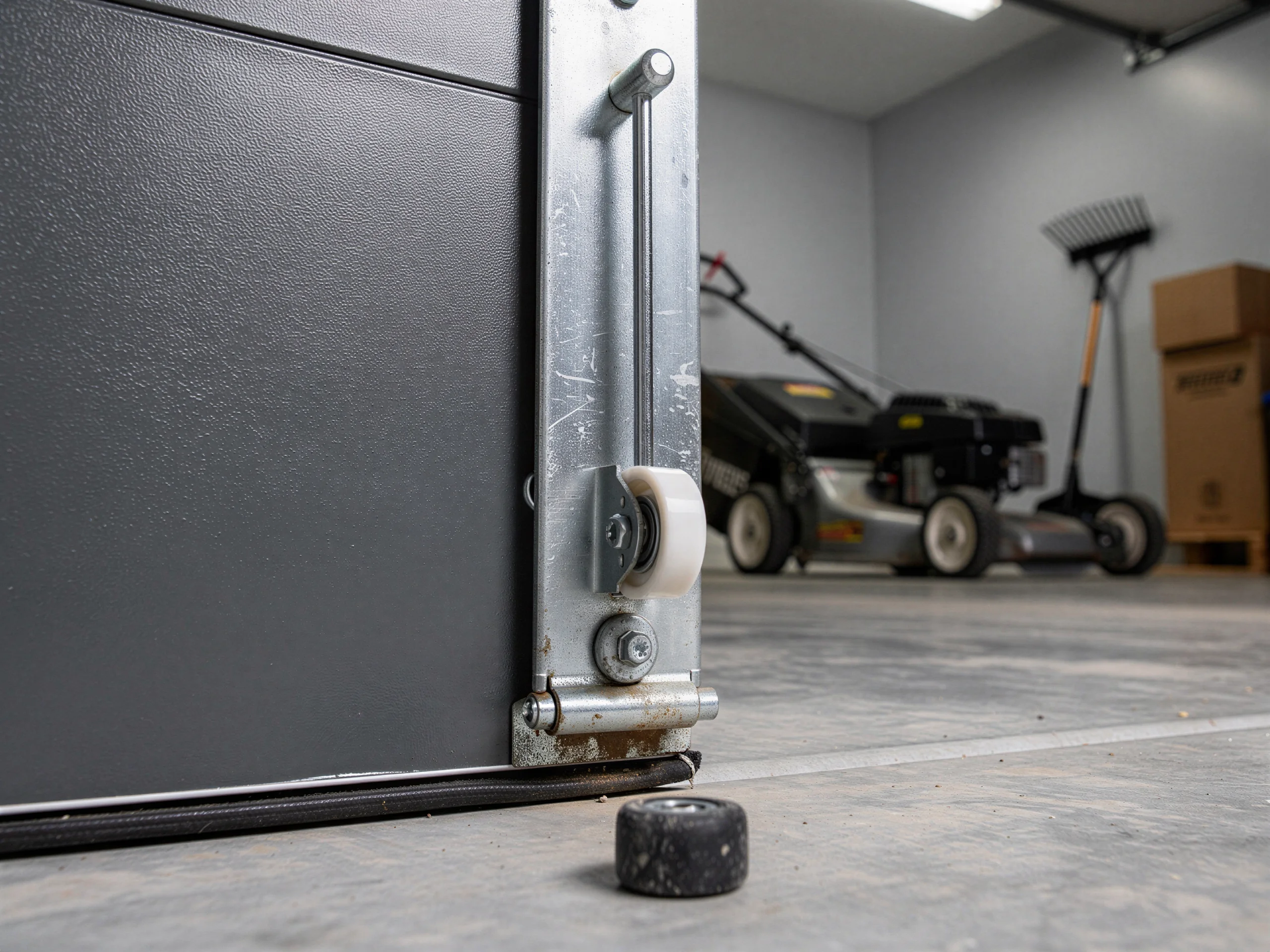
Roller replacement means pulling each worn roller out of its track bracket, one at a time, with the door secured so the section doesn't drop while the roller's out. We swap steel for sealed nylon rollers, check the track alignment while we're in there, and lubricate the new rollers so they run quiet.
Worn stem hole adjustment
On a door this old, the stem holes in the panel are often worn oval from decades of steel-on-steel play, so a straight swap sometimes needs a stem that seats a little differently than stock. We adjust for that on site rather than forcing a roller that doesn't fit the worn hole.
What Is on the Truck
We carry nylon rollers in the stem lengths that fit 1970s-era steel panel doors, along with the track brackets and fasteners that tend to need replacing alongside them when the original hardware has worn that long.
Nylon roller stock
We stock these because a door built in 1971 was never designed for nylon rollers in the first place - the stems, the bracket spacing, even the track gauge can run slightly different from what's on a door built in 1995.
Preloaded common Aldine kit
We travel the 20 miles out from The Woodlands with what a typical Aldine-era door needs already loaded, based on what these jobs call for across the service area's older stock.
Separate parts orders
What we don't carry is every spring size or opener board for every make - if the roller job turns up a cracked panel or a dead opener, that's a separate parts order and a second visit, not something we improvise from the truck.
How to Book
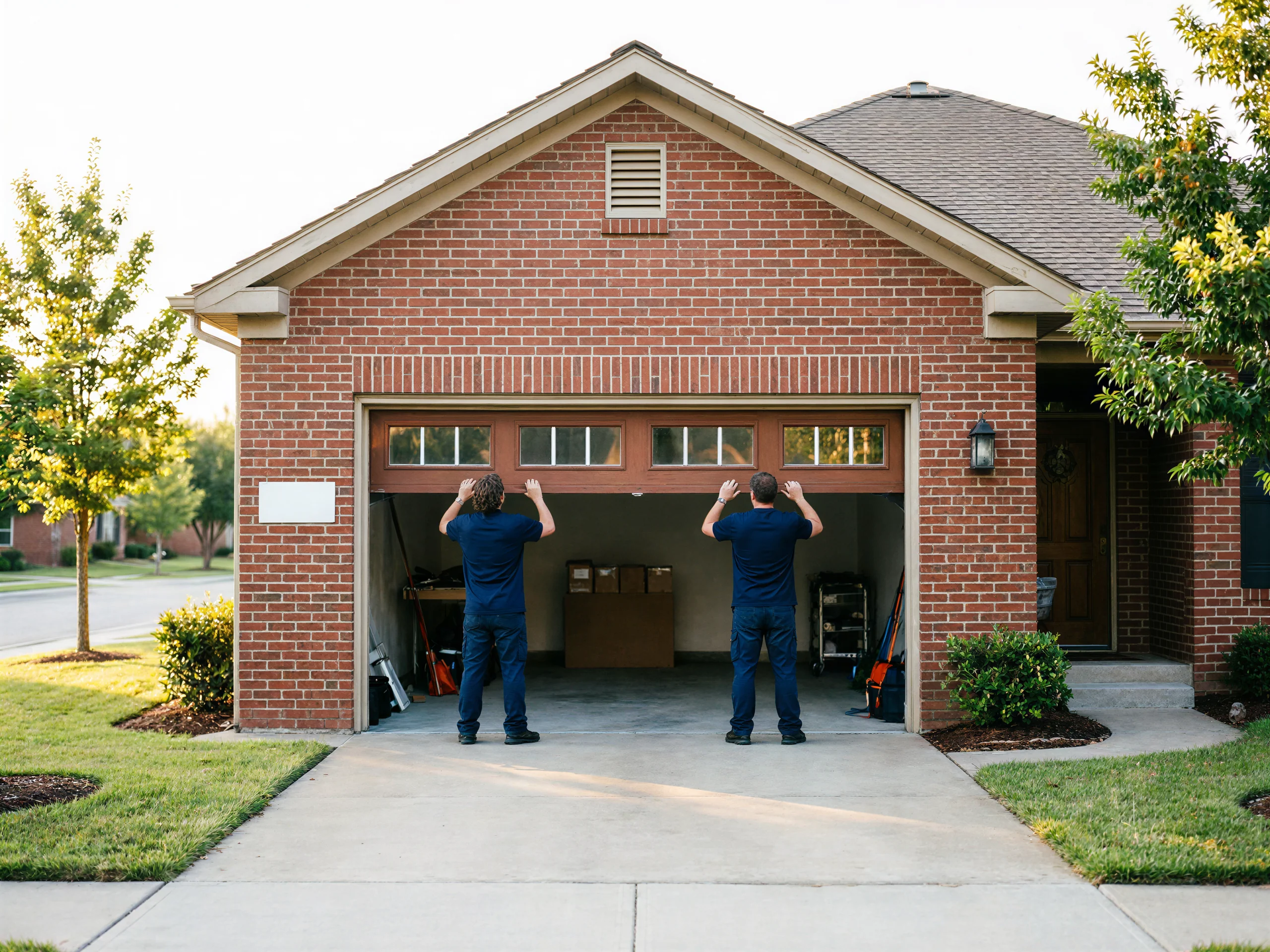
Call and tell us the door is sticking, grinding, or jumping the track when it opens - that's roller wear, and it's worth saying so up front since it changes what we load before we drive the 20 miles out. We'll ask the rough age of the house, since a 1971 door and a 1995 door in the same service area often need different stem lengths. See the Aldine service area page for what else we cover out here, or check the roller replacement page for The Woodlands itself if you're comparing what the job looks like closer to home base.
What Can Go Wrong
The biggest risk on a door this old isn't the roller swap itself - it's what the roller swap uncovers. Steel rollers wear the track lip over fifty years, and once that's bent or peened, a new nylon roller can pop out of a track that looks fine until the door's halfway up.
Bent track repairs
We check track straightness before closing out any roller job, and if the track's bent, that's a track repair added to the ticket, not something we paper over.
Stem hole wear
The other failure point is the stem hole itself. On doors from the early 1970s, steel-on-steel wear can open that hole up so much that a standard stem rocks loose within months.
Oversized stem option
When we see that, we tell the homeowner straight: a patch fix won't hold, and the honest option is a slightly oversized stem or, on a panel that's really gone, replacing that section rather than the roller alone.
Why This Fails Locally
A door built in 1971 has been opening and closing for over fifty years on hardware nobody manufactures to that original spec anymore. Compare that to the service area's median build year of 1988, and you can see why Aldine's older doors wear out roller hardware well ahead of newer stock built elsewhere in the territory. Steel rollers in steel tracks were standard then, and steel grinding against steel for five decades doesn't fail gracefully - it fails as noise first, then as a roller that jumps the track under load.
Heat plays a smaller role here than people expect; this is a moderate heat climate band, not an extreme one, so it's wear cycles and metal fatigue doing the damage, not sun-baked rubber or warped track from heat swings.
What You Are Seeing
If the door grinds instead of rolling smooth, or you can see daylight at the edge where a roller's wandered out of its track groove, that's roller failure, not a spring or opener problem. On a door from this era, expect to see flat spots worn into the roller wheel itself - steel rollers develop a visible flat side after enough cycles, which is what causes the thump you feel every time that wheel comes around in the track.
A door that's slow to respond or won't fully seat at the bottom is a different problem - could be the opener, could be the spring - so don't assume roller wear explains every symptom. We'll tell you plainly if what you're hearing points somewhere else before we quote a roller job that won't fix it.
Talk to a local pro
Garage door service in The Woodlands?
Same-day service with honest, upfront quotes.