How Long It Takes
Shenandoah is a small town - about 1,872 households, tucked 3 miles from our shop in The Woodlands. That size matters for maintenance work: we're not scheduling around a sprawling grid of subdivisions built across five decades.
Newer stock maintenance visits
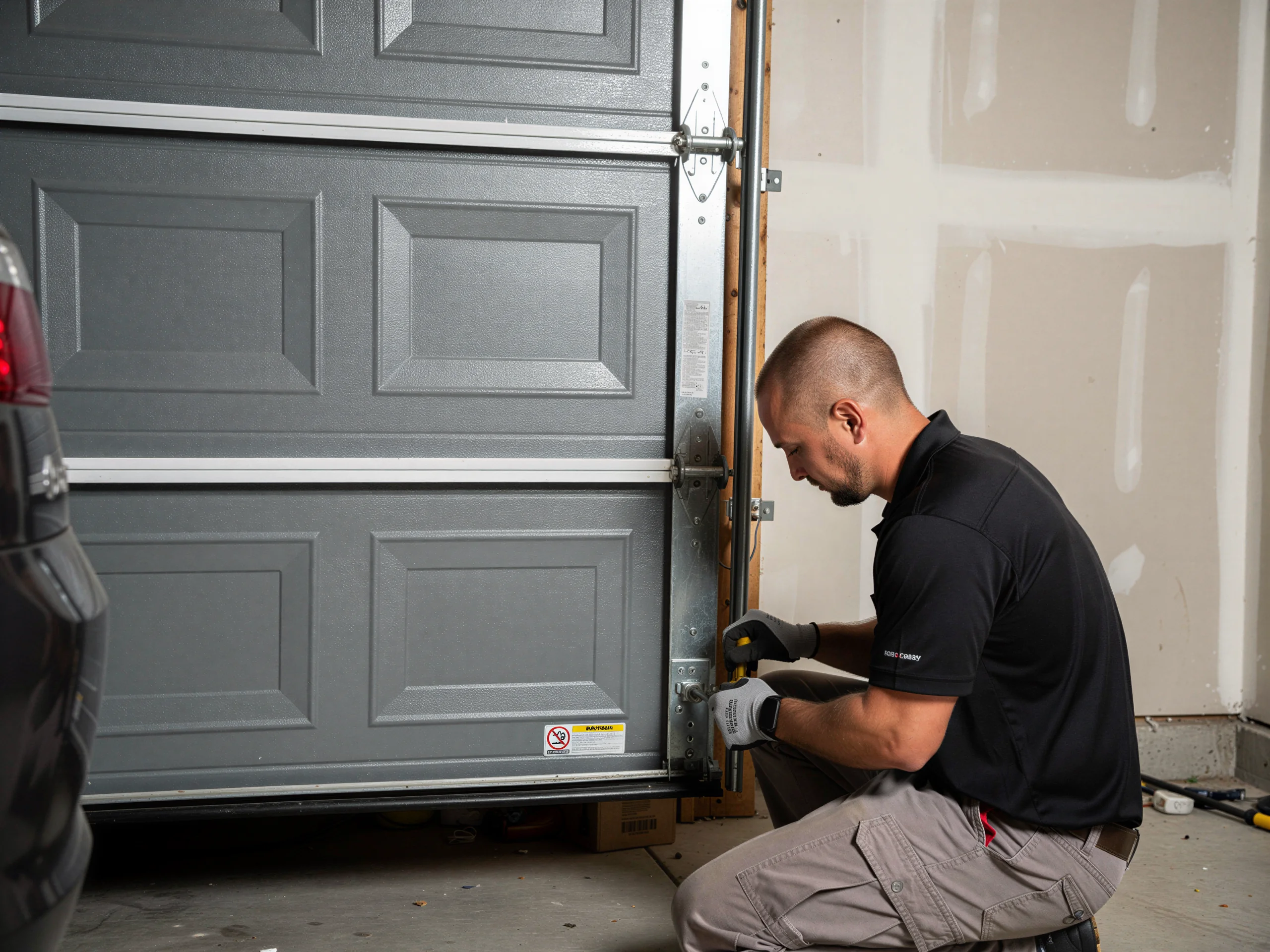
Most of what we see here went up around 2002, which is noticeably newer than the 1988 median across the wider service area. A standard maintenance visit - spring tension check, track alignment, roller and hinge inspection, opener force and safety-reversal test, lubrication - runs about the same whether the door is in Shenandoah or anywhere else we cover.
Fewer buried surprises
What's different is what we find when we get there. Newer housing stock means fewer surprises buried under decades of paint and prior half-repairs. We can usually get through inspection, adjustment, and lubrication in one visit without having to diagnose a chain of deferred problems.
Parts ordering return trips
If a part needs ordering - a specific opener logic board, for instance - that adds a return trip, but the inspection itself doesn't stretch out because of age-related guesswork the way it can on an older street.
What the Fix Involves
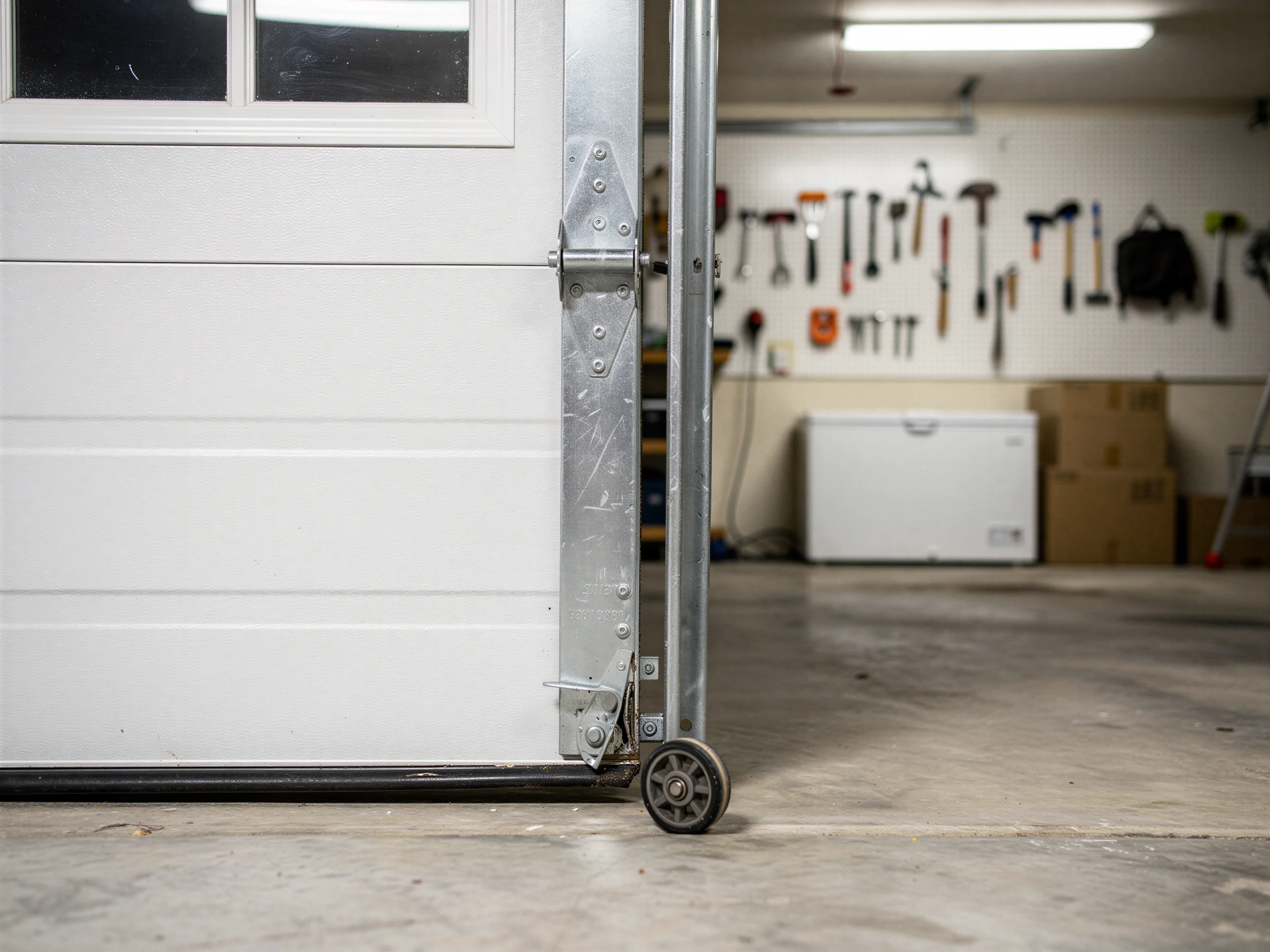
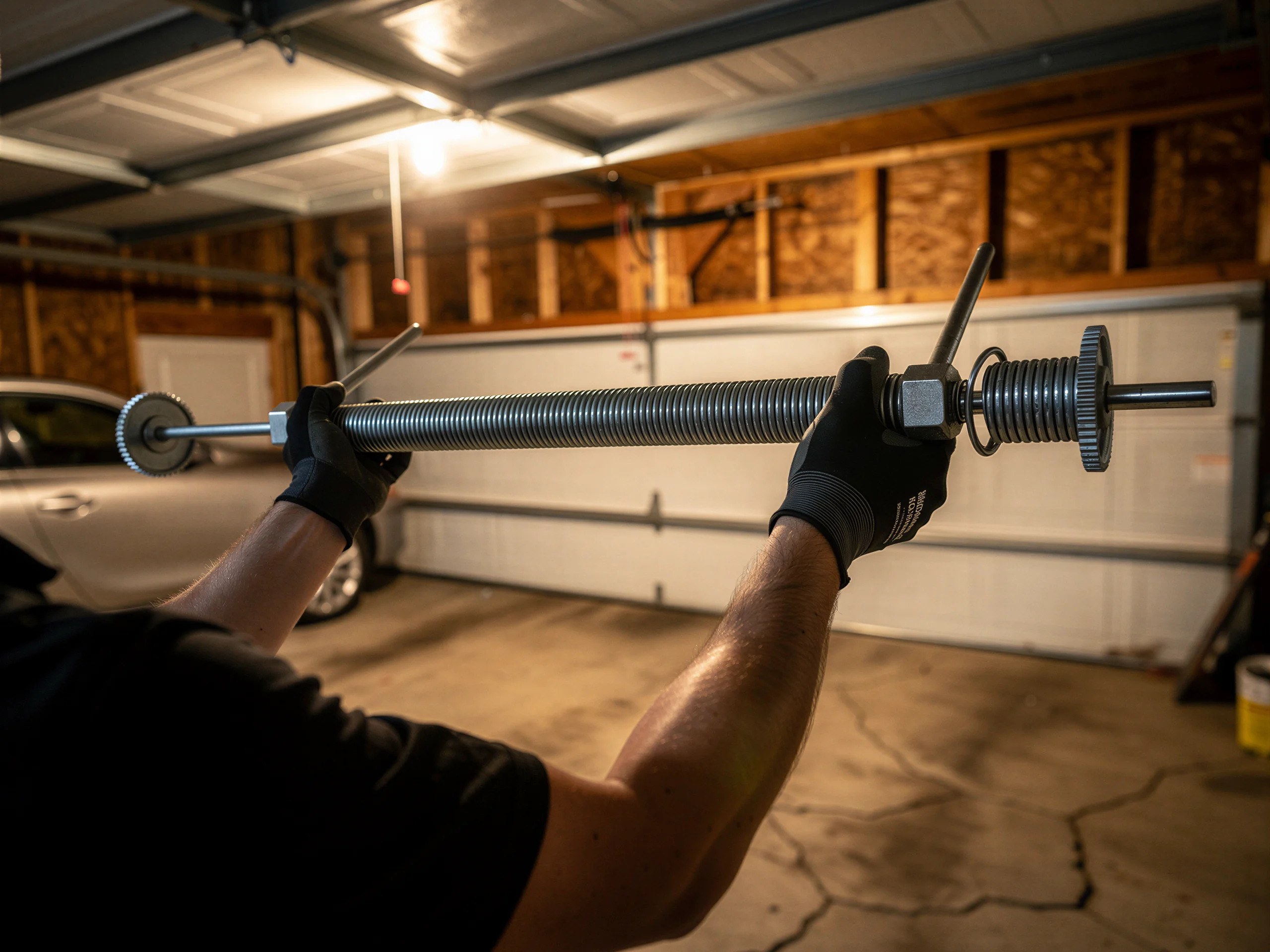
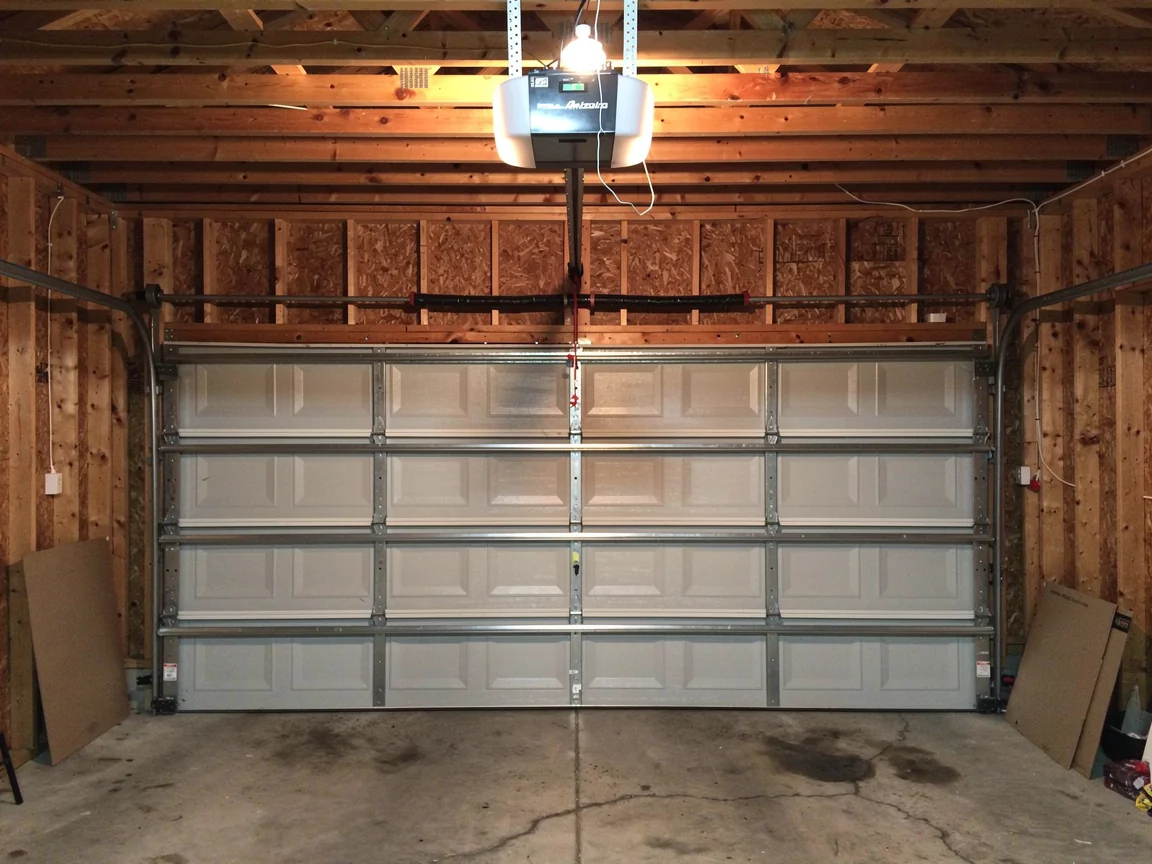
Doors on 2000s-era construction typically came in with factory-installed torsion spring systems and steel panel doors, not the older extension-spring setups you'd find on pre-1990s housing. That means maintenance here is less about replacing out-of-production hardware and more about keeping factory-spec parts running the way they were designed to. We check torsion spring wind and balance, inspect the torsion tube and center bearing plate, test cable condition at the drums, and look at weatherstripping and bottom seals - which matter more here given the region's moderate heat exposure and the UV and thermal cycling that come with it. Opener testing includes the auto-reverse safety function, since that's a code item regardless of the house's age. One honest point: if a torsion spring has already failed rather than just worn, that's a repair job, not a maintenance visit, and we'll say so rather than trying to stretch a tune-up to cover it. Maintenance extends the life of parts that are still working. It doesn't un-break the ones that aren't.
Can You Do This Yourself
Some of it, yes. You can visually check for frayed cables, rust on the track, or a door that's noticeably off-balance when you disconnect the opener and lift it by hand.
Homeowner lubrication tasks
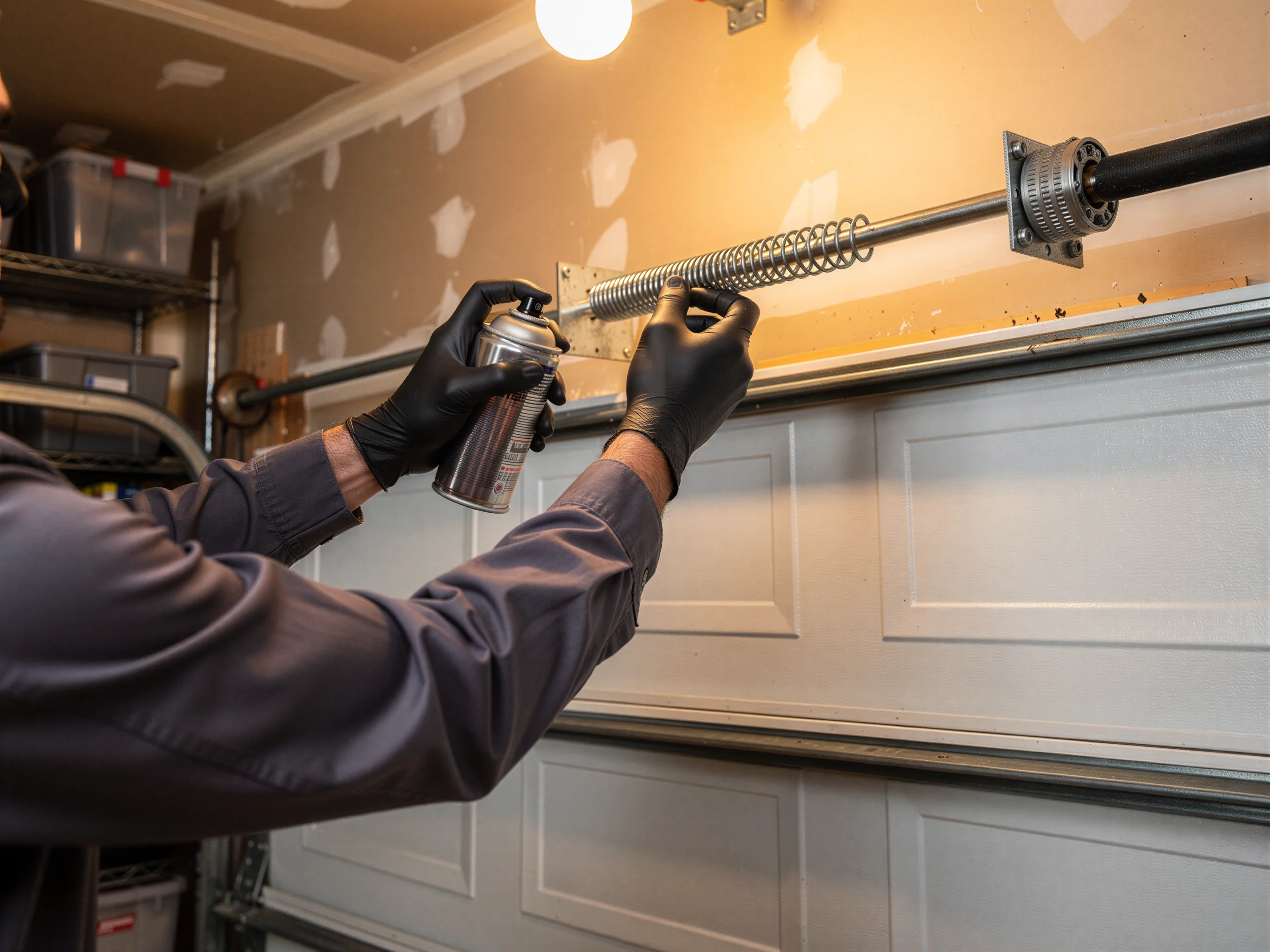
You can wipe down and lubricate rollers and hinges with the right product. What you shouldn't touch is the torsion spring itself - the ones common on 2002-era construction like most of Shenandoah's housing stock are wound under real tension, and the tools to release that tension safely aren't something most homeowners keep in the garage.
Balance and adjustment risks
Balance testing and spring adjustment are also easy to get wrong in a way that isn't obvious until the spring or cable fails later, sometimes catastrophically. If your door feels heavy, shudders on one side, or the opener strains more than it used to, that's a balance or spring issue, not a lubrication issue - and it's worth a call rather than a guess.
What Is on the Truck
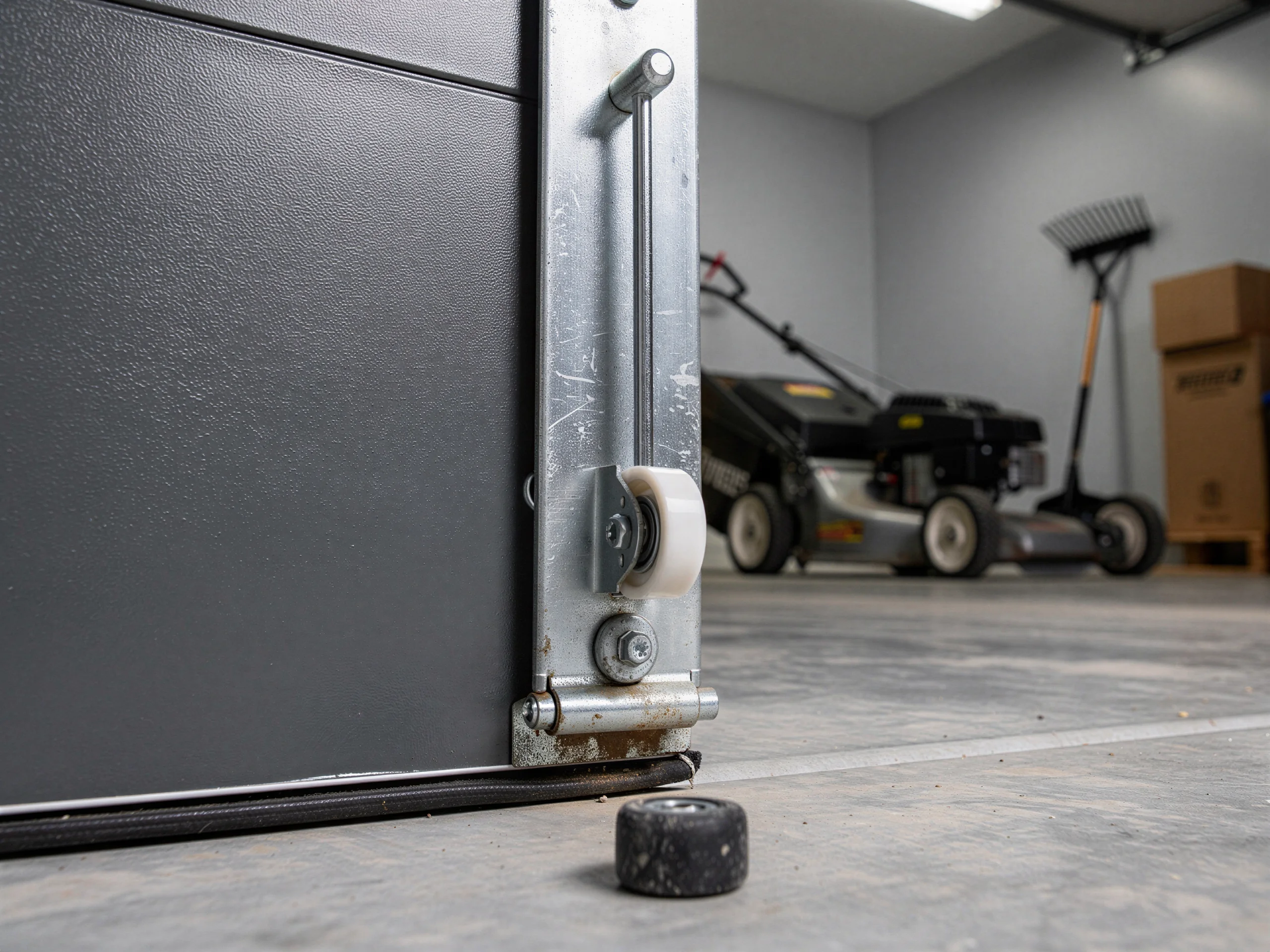
For a maintenance visit in Shenandoah, the truck carries the basics for steel panel doors and factory torsion hardware: torsion springs across common sizes, nylon and steel rollers, lift cables, center bearing plates, weatherstrip and bottom seal stock, and lubricant rated for the moderate heat this area sees through the warmer months. Opener-side, we carry safety sensor units and basic logic boards for the common residential brands. What we don't carry for every job is a part specific to an older or less common opener model - those sometimes need to be ordered, which is the one real limitation worth saying up front. For the newer housing typical of Shenandoah, stocked parts usually cover the visit without a second trip.
Talk to a local pro
Garage door service in The Woodlands?
Same-day service with honest, upfront quotes.