What Can Go Wrong
Willis sits 18 miles out from where we're based in The Woodlands, and that drive matters more than it sounds like it should - it's the reason a call out here gets scheduled as a block of time, not a quick in-and-out.
Willis-era hardware age
Once we're on site, though, the door itself is usually familiar territory. Most houses in this part of the service area, Willis included, were built around 1990, which puts a lot of garage doors and openers at or past the end of their expected working life.
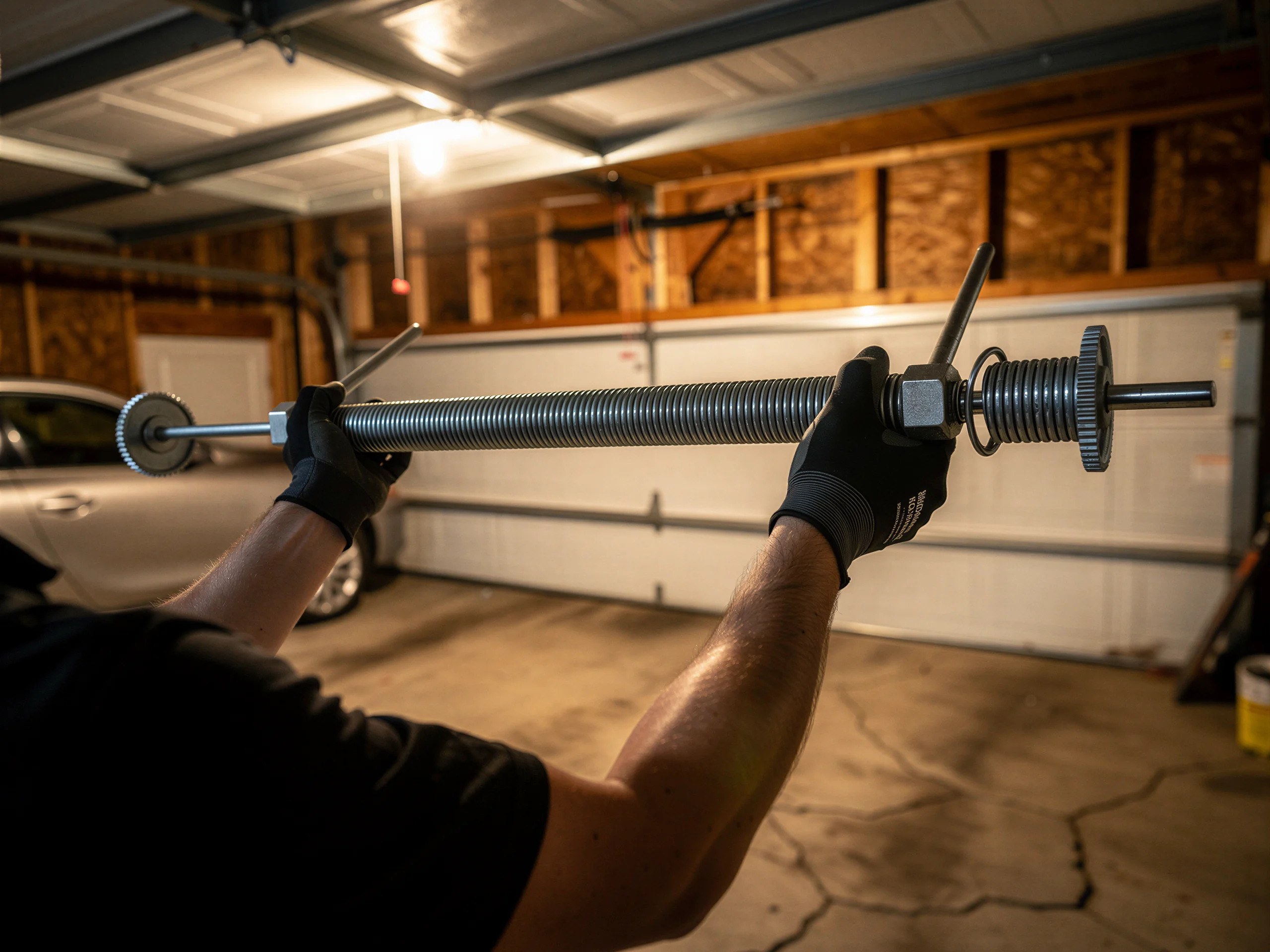
Galvanized spring fatigue
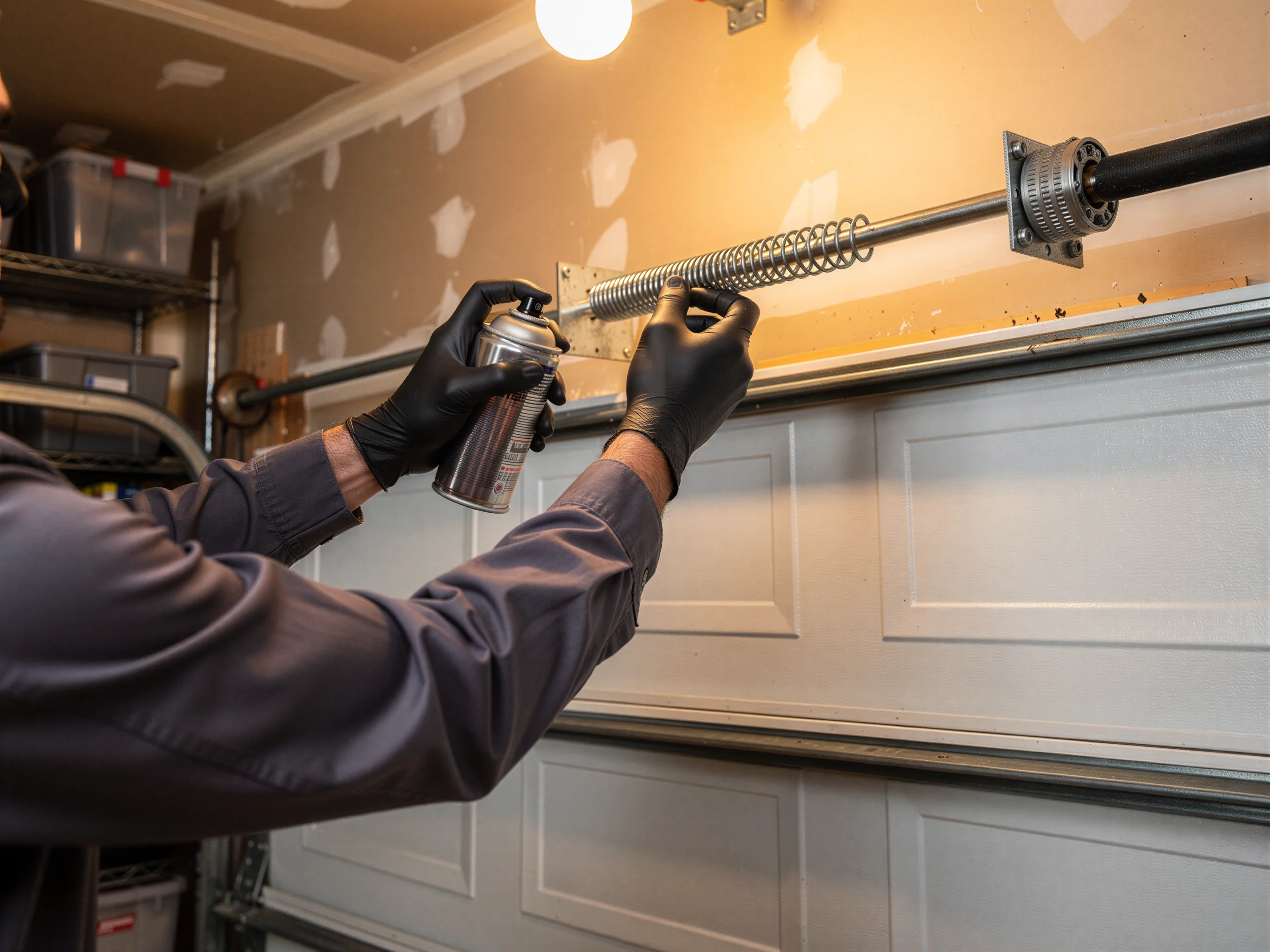
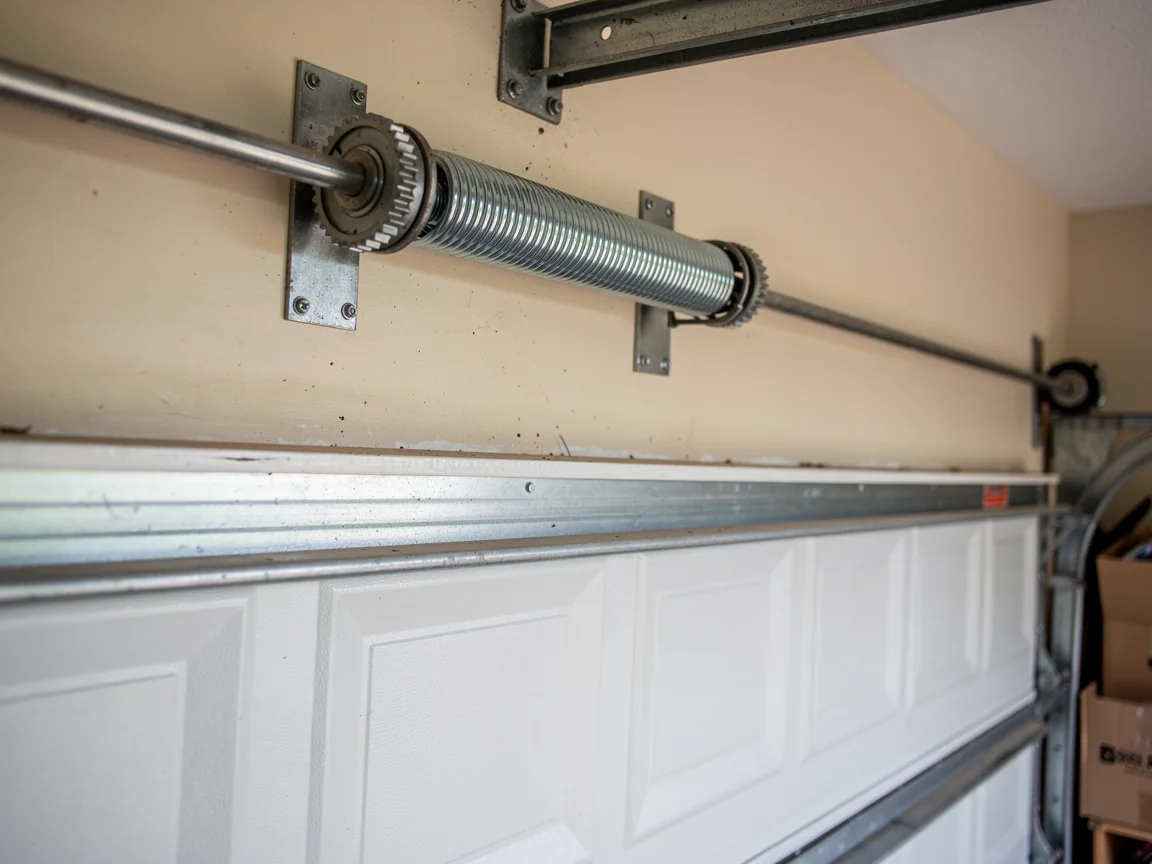
Extension and torsion springs from that era are winding down to failure now, not because anyone did anything wrong but because galvanized steel fatigues on a schedule. Openers from the early '90s often ran on chain drive with worn-out drive gears, and the safety reversal sensors many of them shipped with don't meet the standard we'd want on a door today.
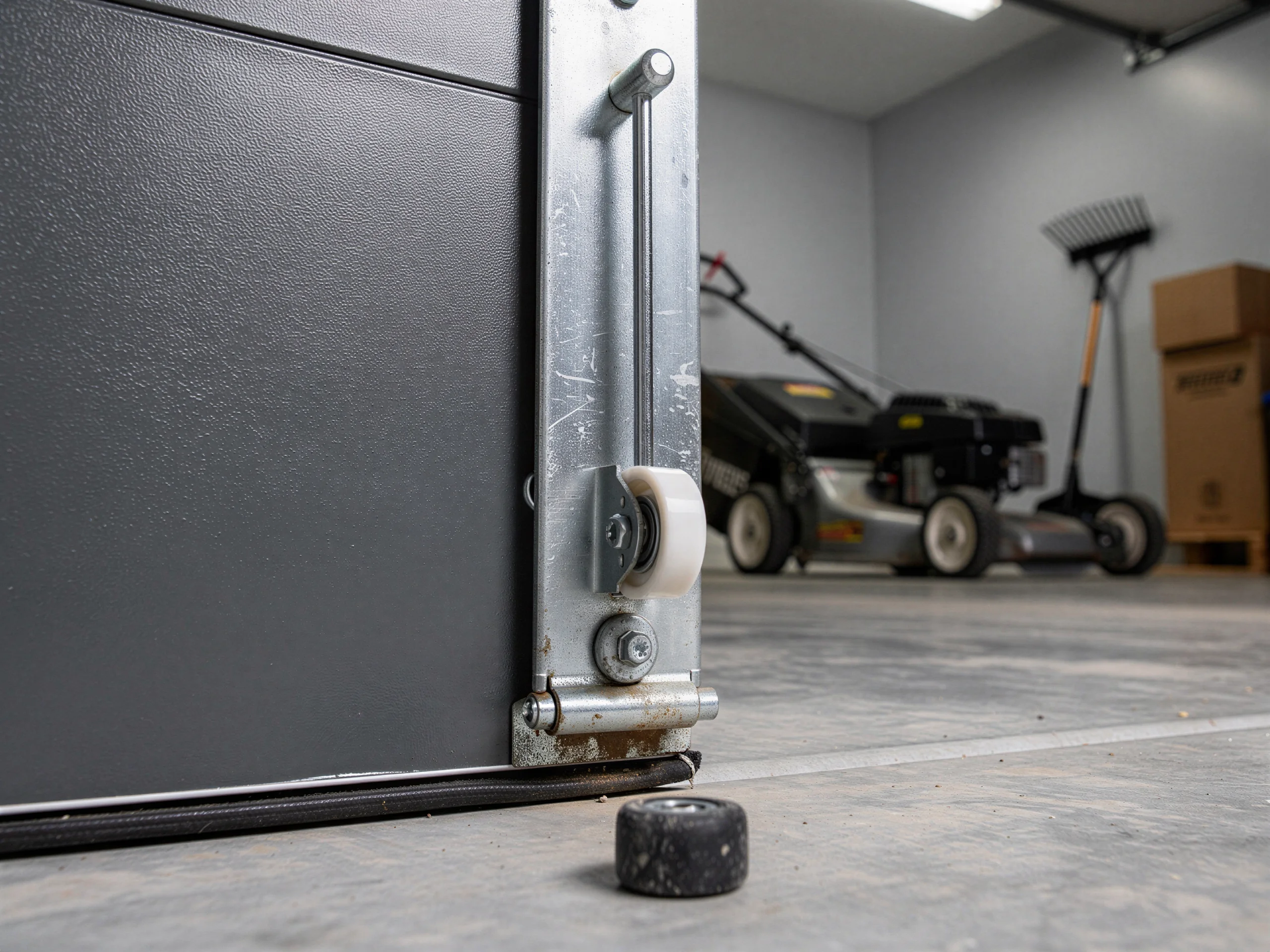
Nylon roller failure
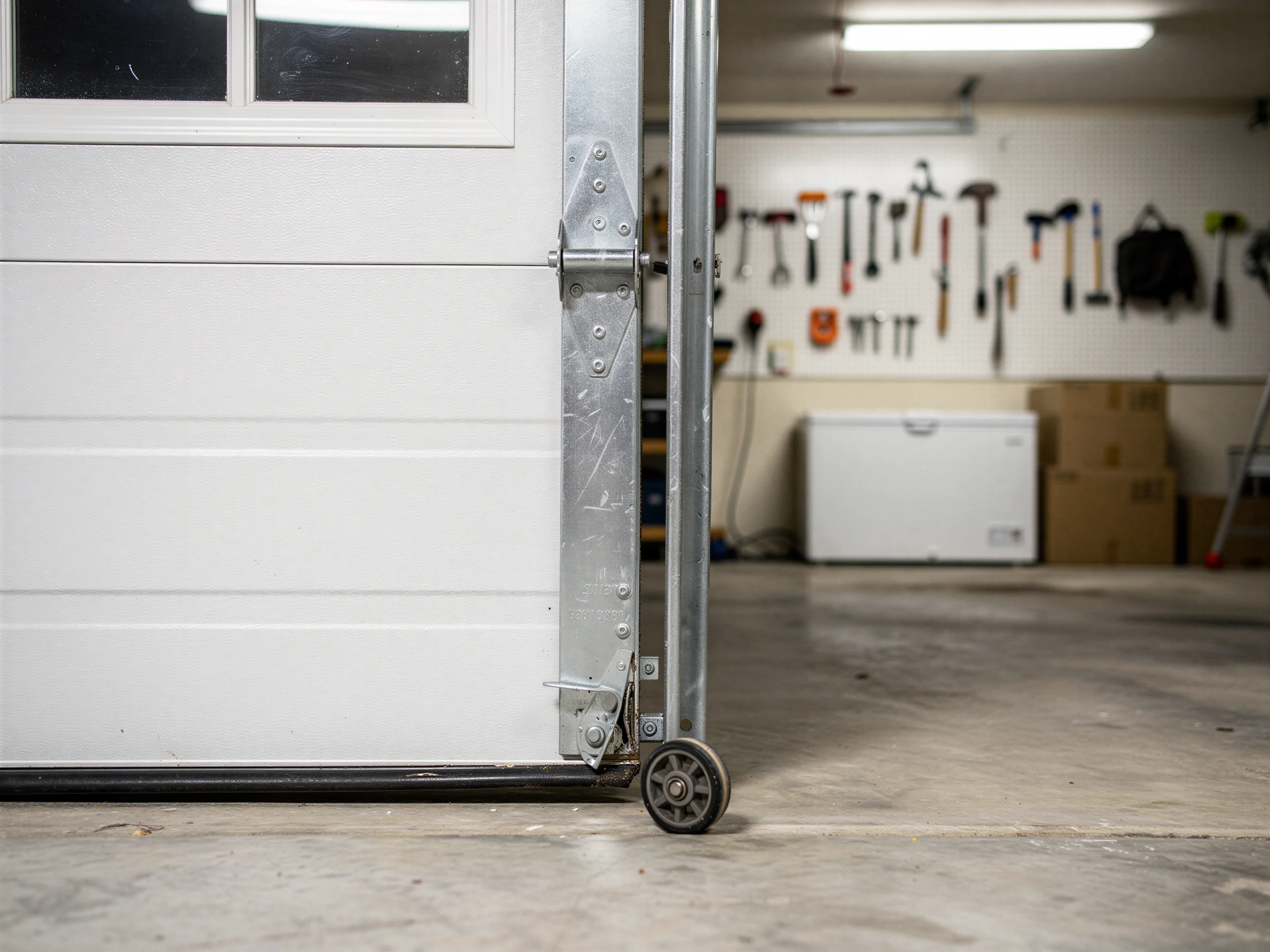
Rollers go next - nylon didn't hold up as well as the steel they later switched to. None of this is unique to one house; it's the whole generation of doors going at once, which is why spring failure and opener failure cluster together out here rather than trickling in one at a time.
What You Pay
We don't post a flat number for Willis because the job dictates the cost far more than the ZIP code does - a spring swap and a full door-and-opener replacement aren't in the same conversation.
Upfront quotes before work
What we can tell you is that median household income here runs $53,182, noticeably lower than other parts of the service area, and we quote the repair in front of you before we touch anything, so you're deciding against a real number, not an estimate that moves later.
Batching Willis trips
The honest limitation: because every call to Willis includes that 18-mile drive, we try to batch work here when we can, rather than running one small fix as a standalone trip.
Pairing minor fixes
If your fix is minor, ask whether it makes sense to pair it with anything else that's starting to go - on a 30-plus-year-old door, something usually is.
Can You Do This Yourself
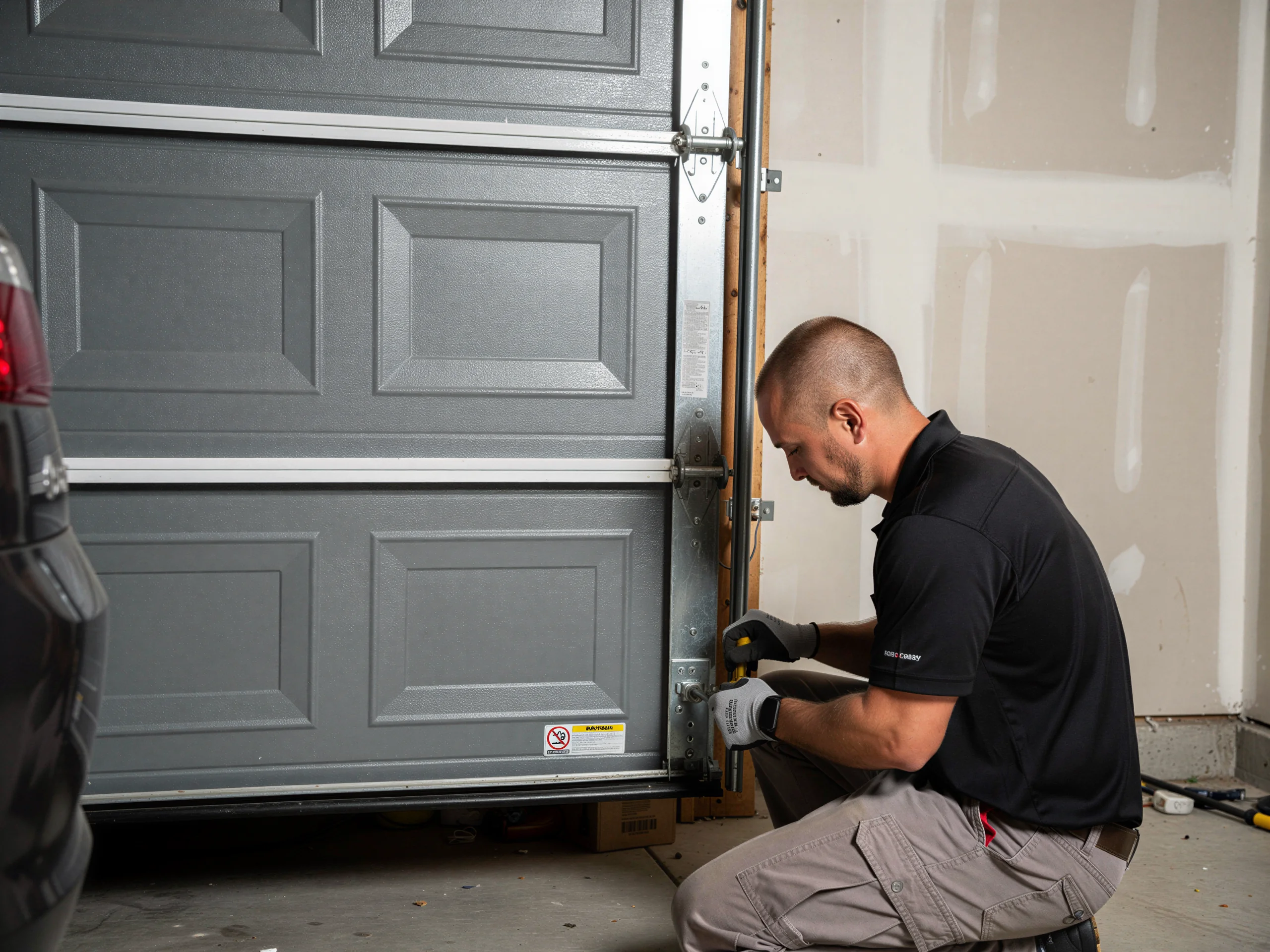
Some of it, yes. Swapping a roller, lubricating hinges, tightening loose hardware on the track - any homeowner with a ladder and patience can handle that safely. A torsion spring is a different animal. It's wound under enough tension to break a bone or worse if the winding bars slip, and with roughly 2,788 households in Willis mostly sitting on doors from around 1990, we're seeing a lot of springs at or near that failure point right now. That's not a DIY repair, full stop - not because it's complicated to explain, but because the margin for error is a trip to the emergency room. Opener logic boards and safety sensor wiring are more forgiving to get wrong but still not worth guessing on if you've never opened the housing before. If in doubt, call before you start pulling panels.
How Long It Takes
The repair itself, once a tech is in your driveway, usually runs anywhere from under an hour for a roller or sensor fix to half a day for a full door swap - that part doesn't change because you're 18 miles from The Woodlands instead of next door. What the distance does change is how the day gets built around your call. We're not staged out of Willis, so getting here means routing a truck that's also covering closer jobs, which is why we'll generally give you a window rather than a fixed drop-in time. Parts are the other variable: common springs and rollers, we carry on the truck; a specific opener board or a panel match for an older 1990s-era door sometimes has to be ordered, and that can add a few days regardless of where you live.
Talk to a local pro
Garage door service in The Woodlands?
Same-day service with honest, upfront quotes.